Dr. Schneider’s Signature Deep-Plane Facelift
The M.A.R.C. Lift™
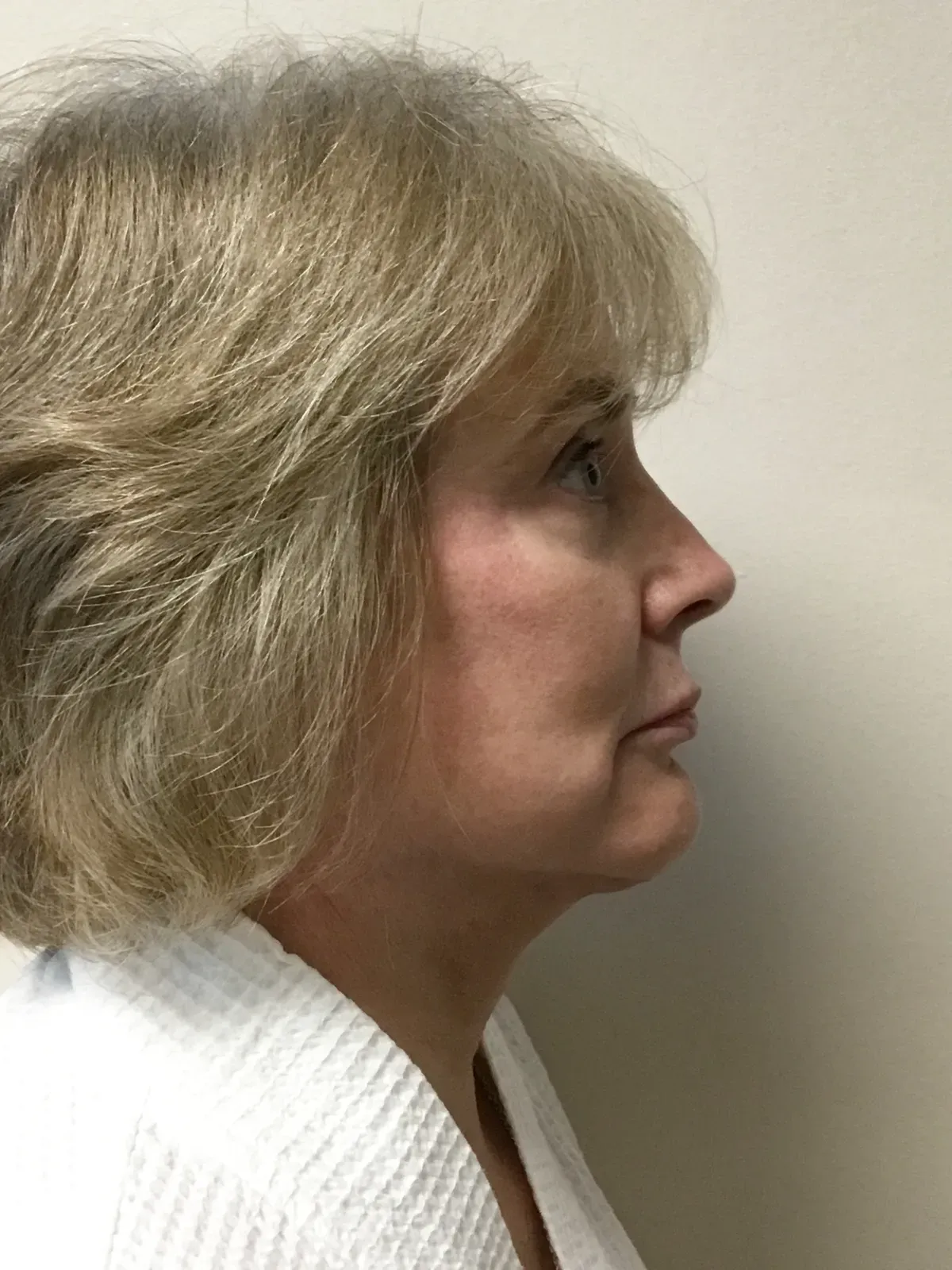
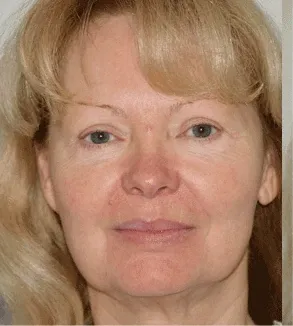
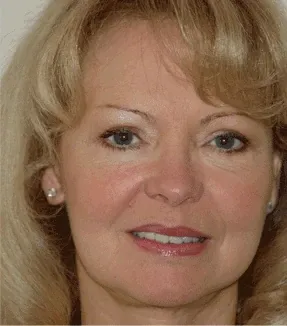
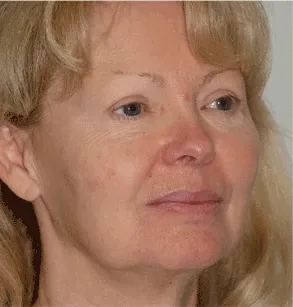
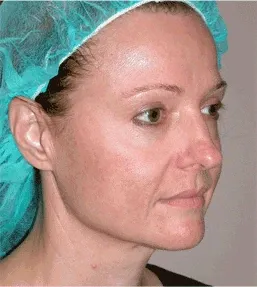
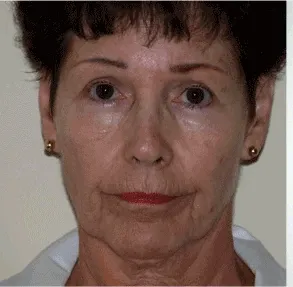
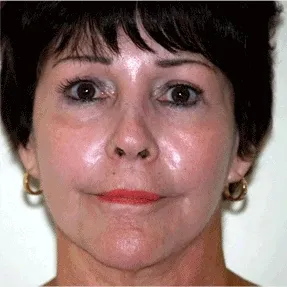
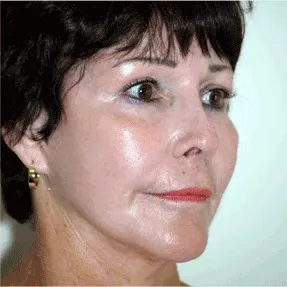
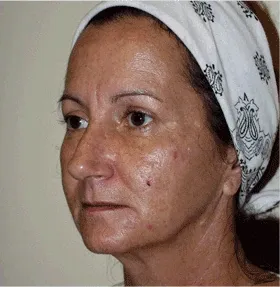
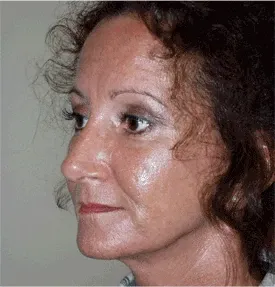
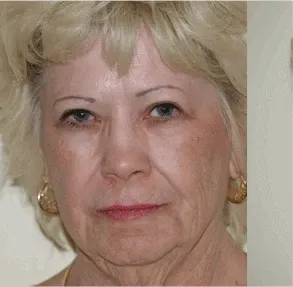
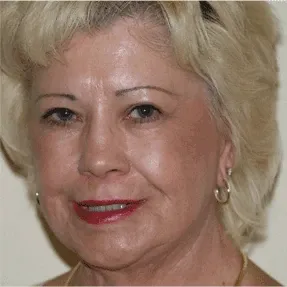
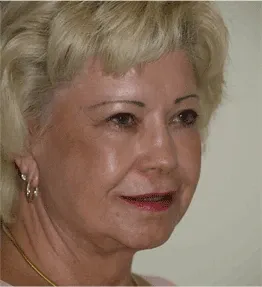
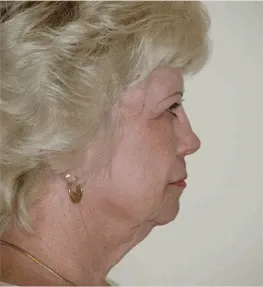
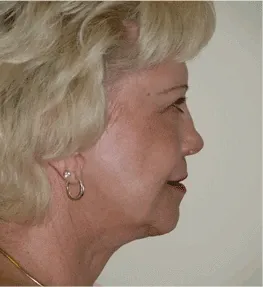
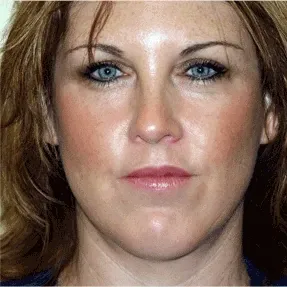
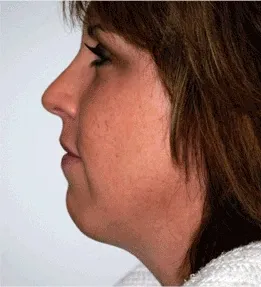
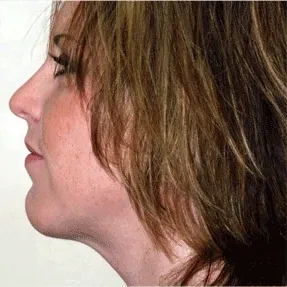
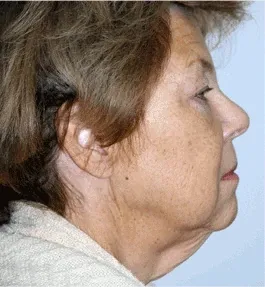
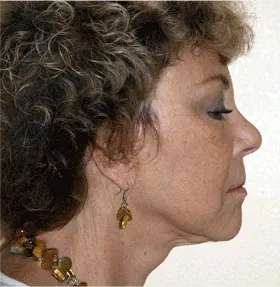
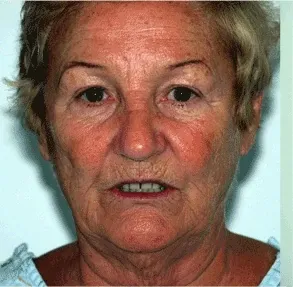
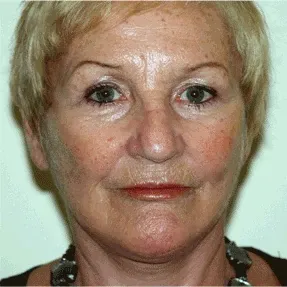
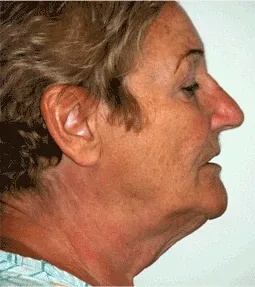
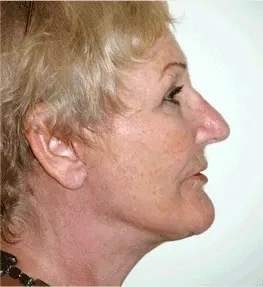
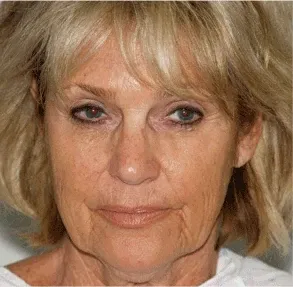
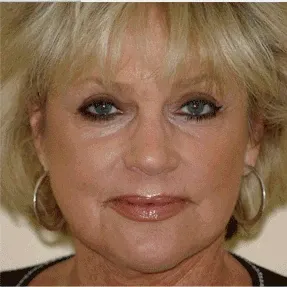
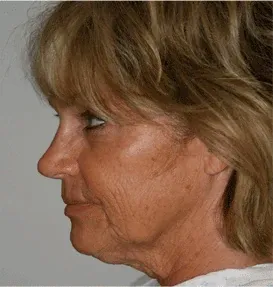
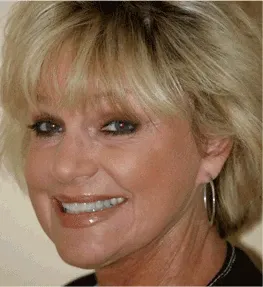
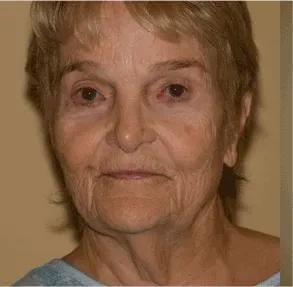
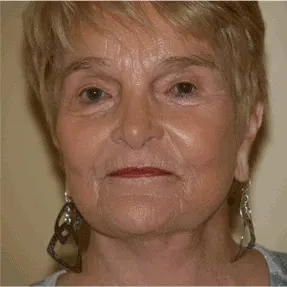
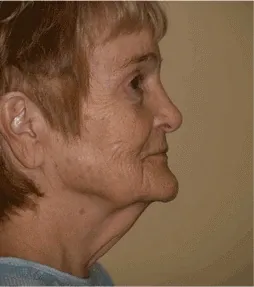
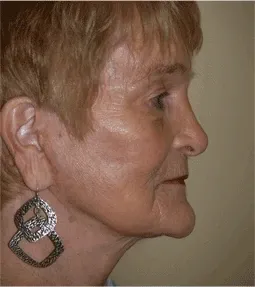
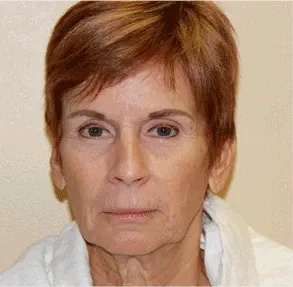
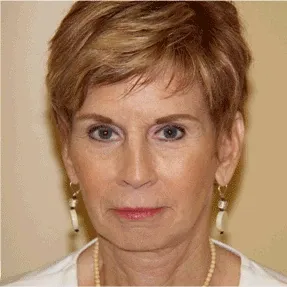
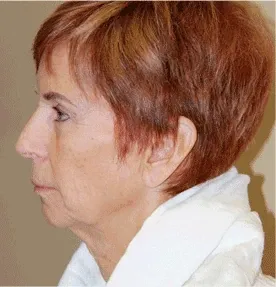
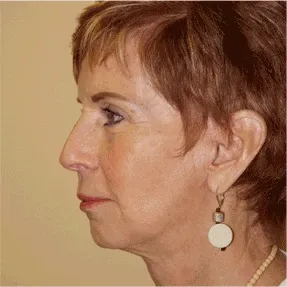
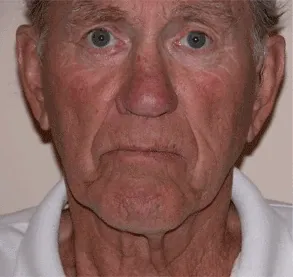
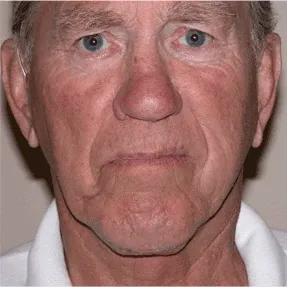
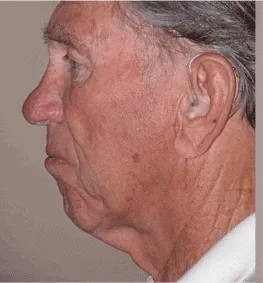
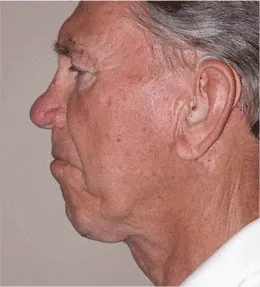
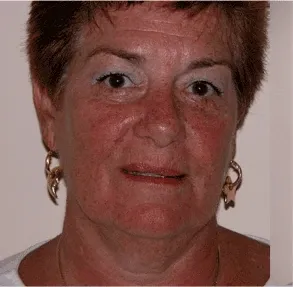
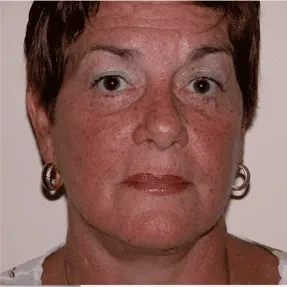
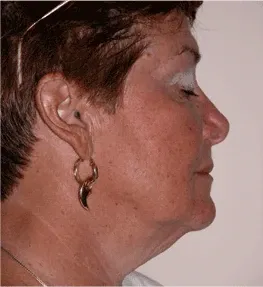
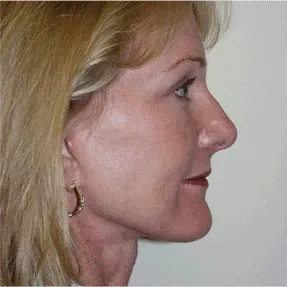
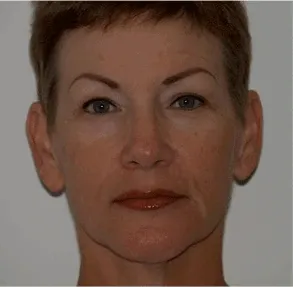
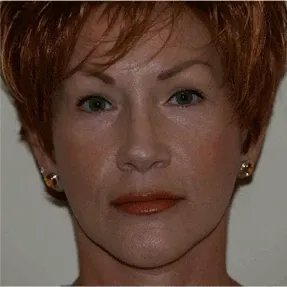
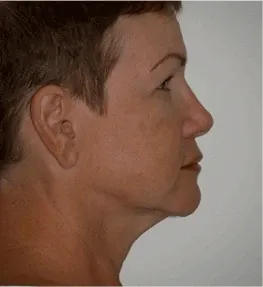
Since the introduction of the deep plane in 1990, Dr. Schneider has continually refined the technique into his signature M.A.R.C. Lift™ (Musculo-Aponeurotic Repositioning and Contouring). The procedure comprehensively repositions the face and neck toward their youthful position, restoring natural contours for a natural, refreshed, younger appearance.

Before your consultation
See a preview on your own face.
Upload one photo and see an illustration of a possible result. At your consultation, your surgeon shows you what is actually achievable for you.
- Takes
- A few minutes
- Your photo
- Never stored

The operation
The M.A.R.C. Lift™ at a glance
- Anesthesia
- TIVA or General
- Surgery
- 3-3.5 hours
- Social recovery
- About 7 days
- Where
- In office AAAASF surgery center

What the M.A.R.C. Lift™ Restores
-
The Midface.
Soft tissue over the cheekbones and nasolabial folds (nose to mouth folds)
-
Jaw region.
Jowls and marionette folds
-
Neck.
Platysma bands and loss of jawline definition
From the temples to the collarbone.

Why Some Facelifts Look Unnatural
There are natural tethers that hold different regions of the face and neck in place. Behind, forwards and down from these tethers are the fat compartments which change volume with age. Repositioning these fat compartments restores a natural beautiful appearance without pulling the skin tight. It requires releasing the tethers and repositioning the tissues.
- The Skin Only facelift
- The skin is lifted as its own layer and then pulled tight to act like a girdle to try and overcome the effects of the tethers. This does not work and gives a very characteristic pulled appearance and a result that does not stand the test of time.
- The SMAS
- An extension of the platysma muscle of the neck that covers the parotid gland and ends at the tethers. Lifting the skin and putting stitches in the SMAS (plication), or lifting the SMAS and stitching it, does not account for the tethers. Though an advance over the Skin Only, it fails in the long run and requires skin tightening.
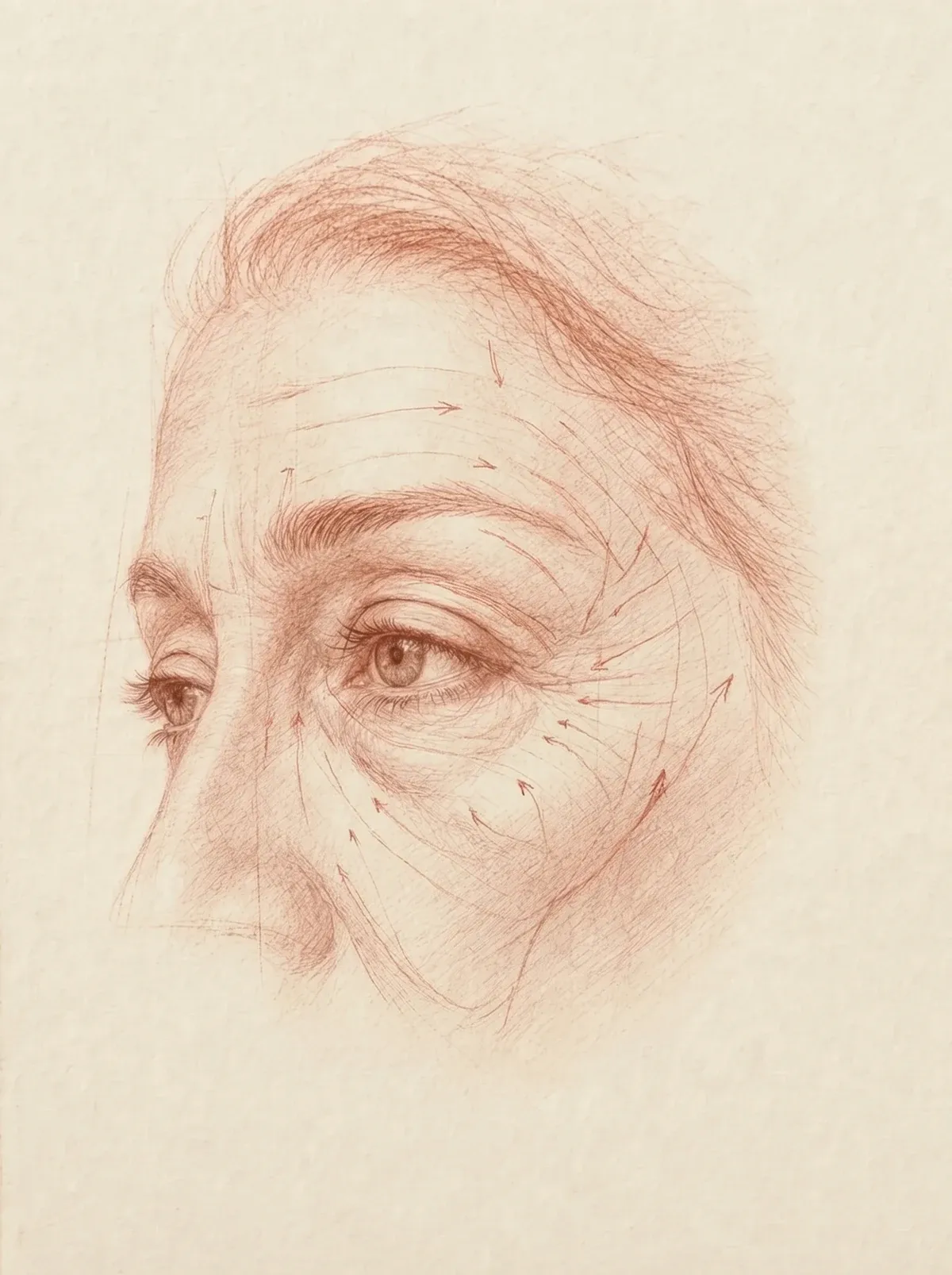
How the M.A.R.C. Lift™ is Performed
Click the play button to see a 2.5 minute animation produced by Dr. Schneider of how the M.A.R.C. Lift™ is performed.
- 01
Identified
The true deep-plane layer is easily identified.
- 02
Elevated
It is elevated and the tethers released.
- 03
Vertical vector sutures
Vertical vector sutures reposition the deep plane and platysma.
- 04
Repositioned, not pulled
The sagging tissues are repositioned, not pulled.
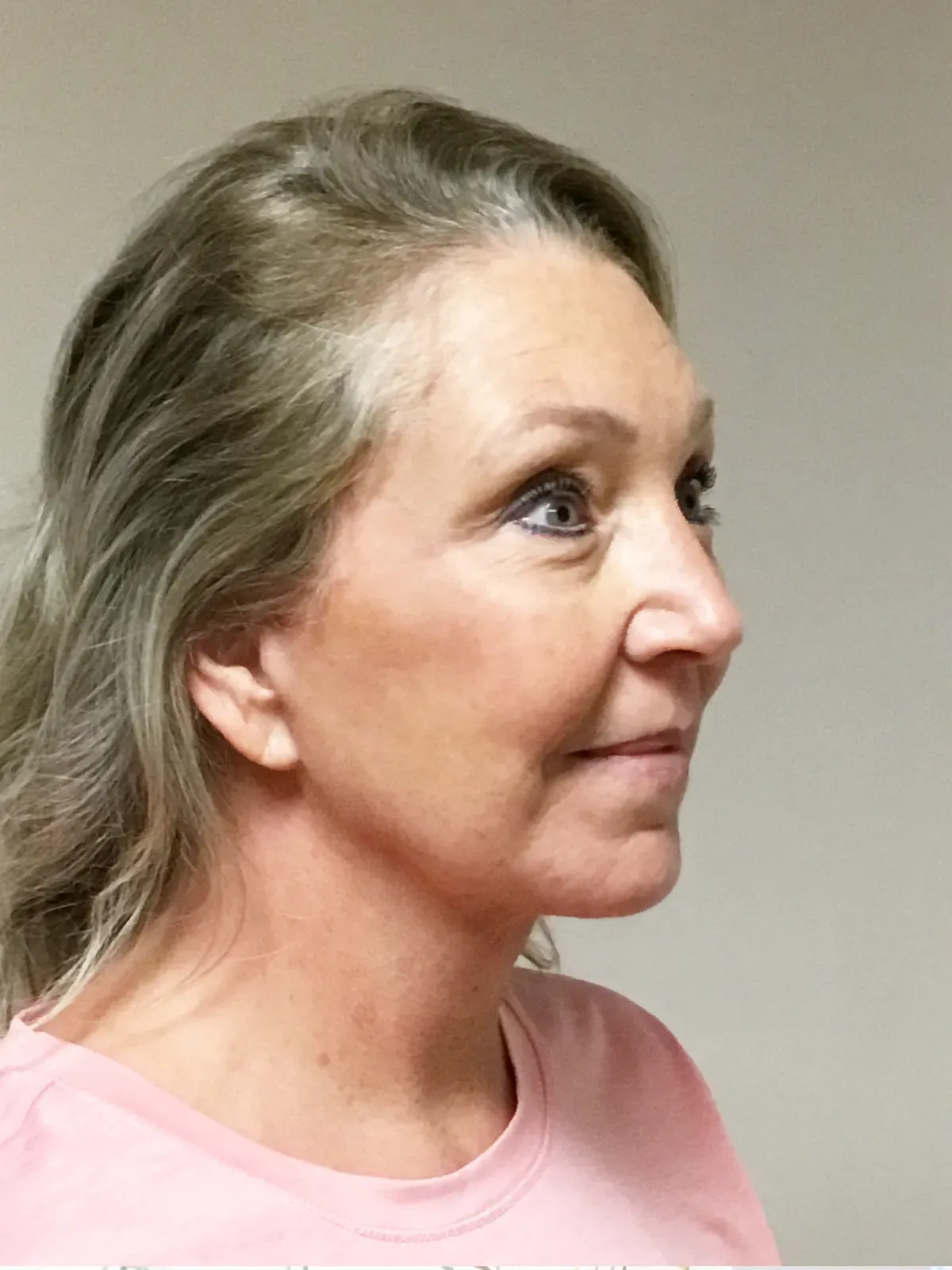
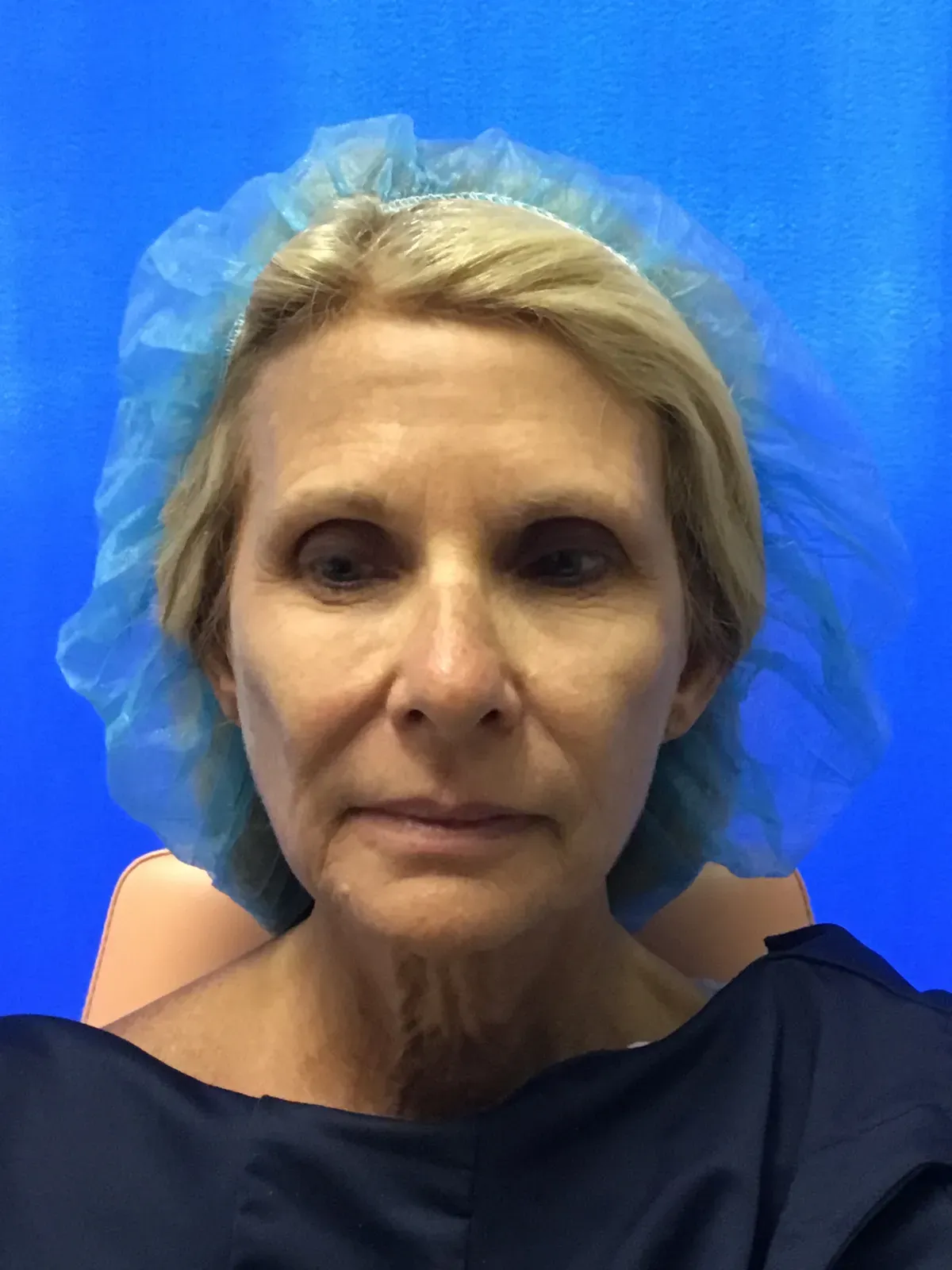
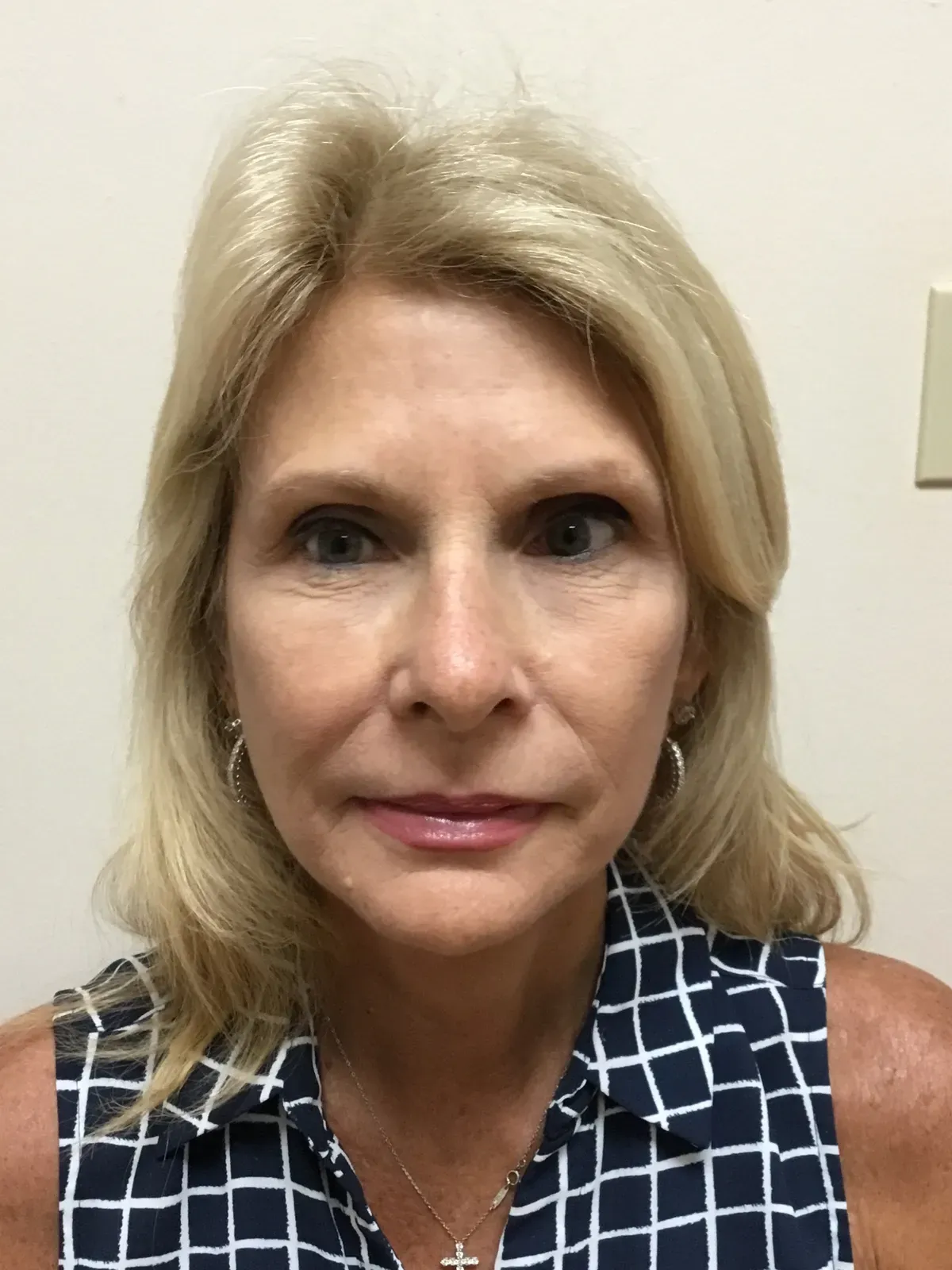
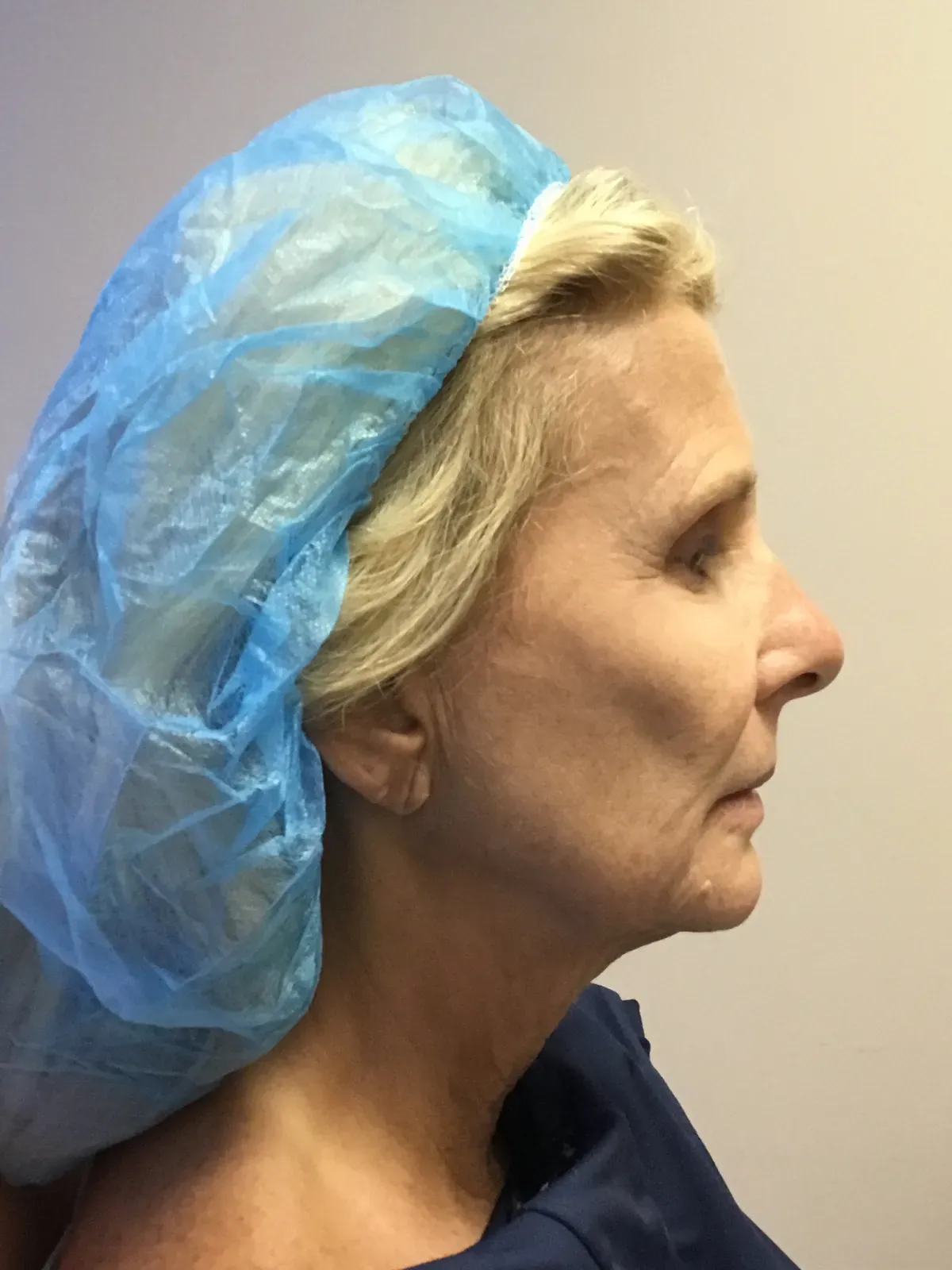
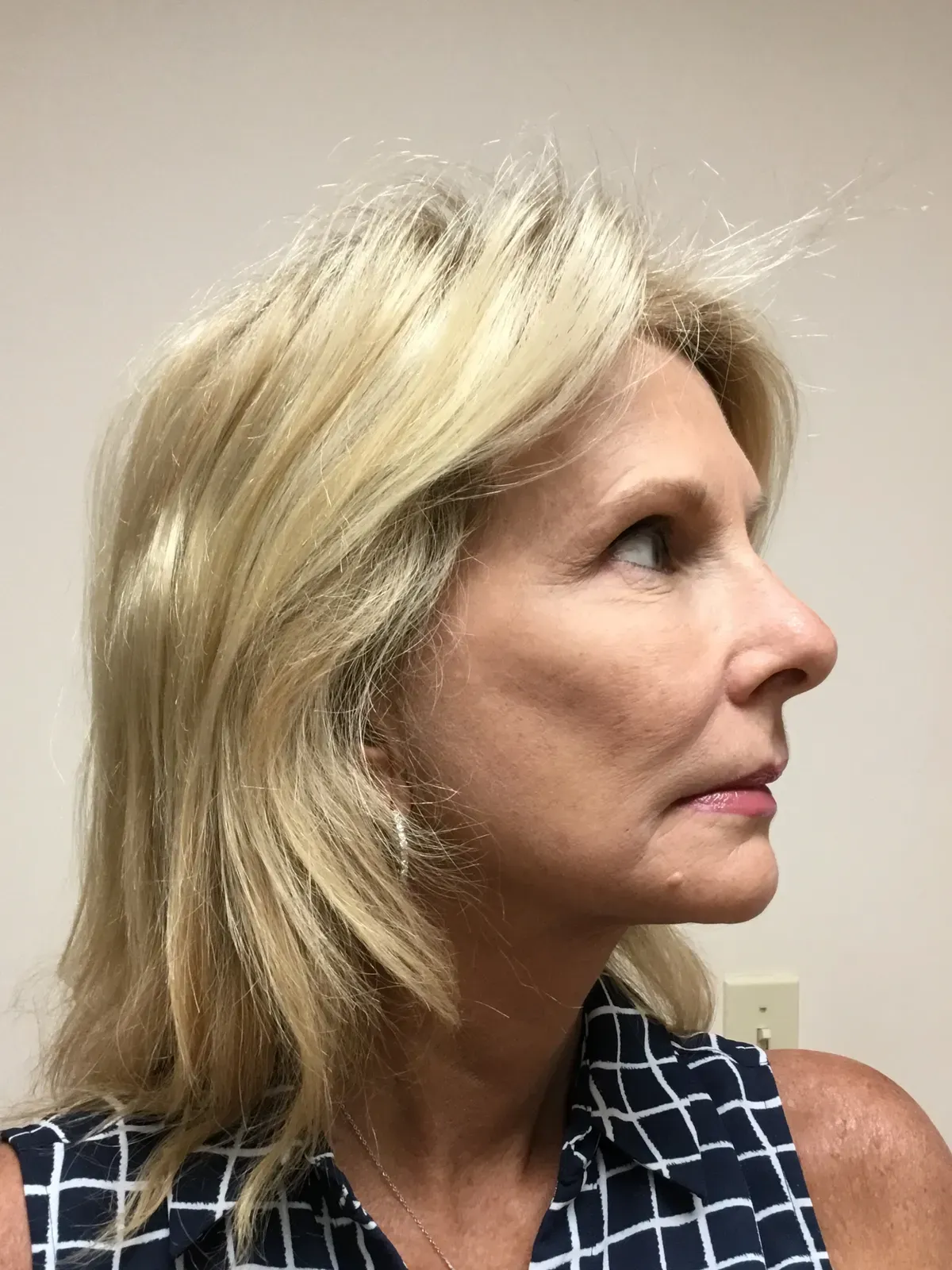
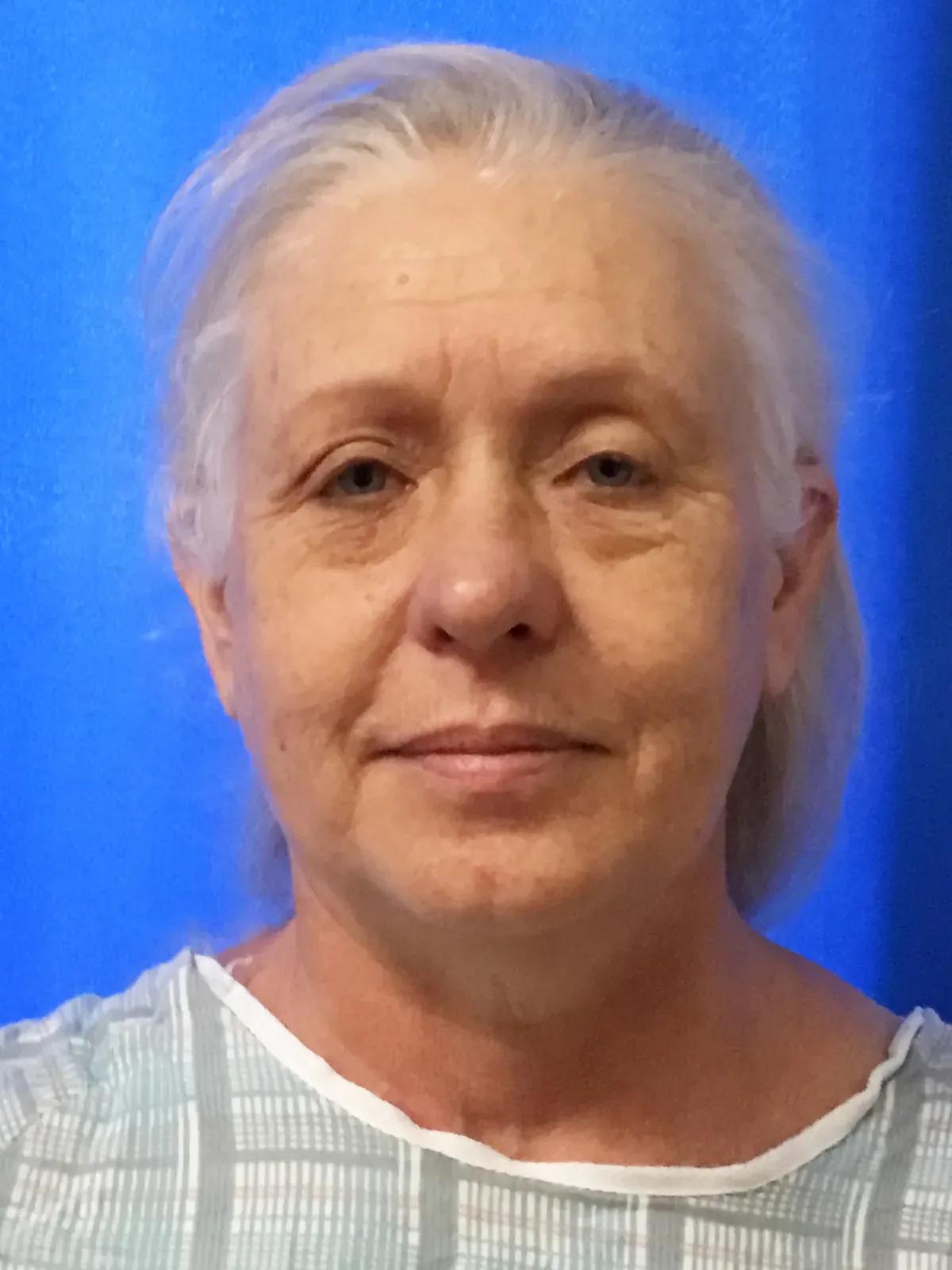
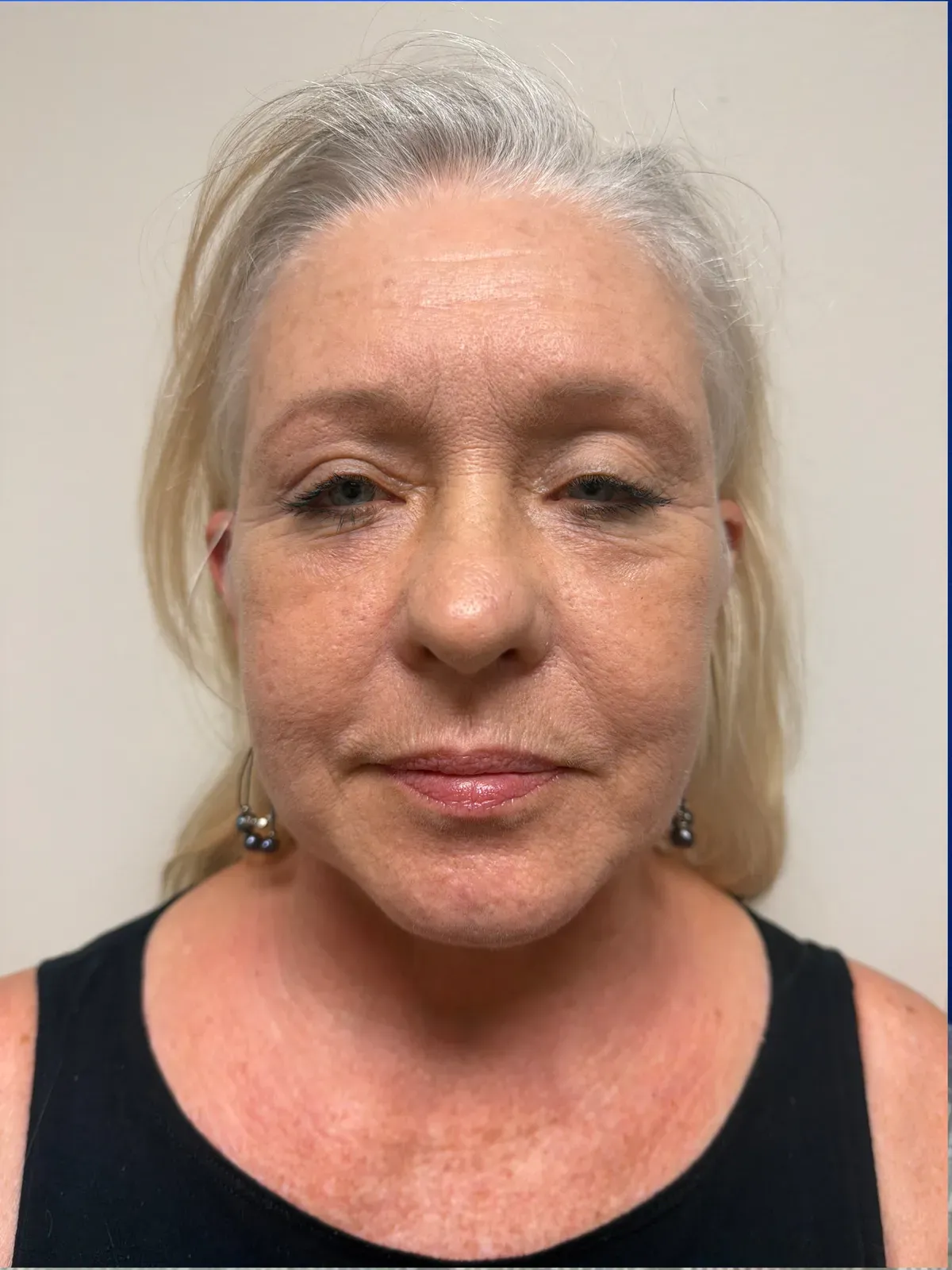
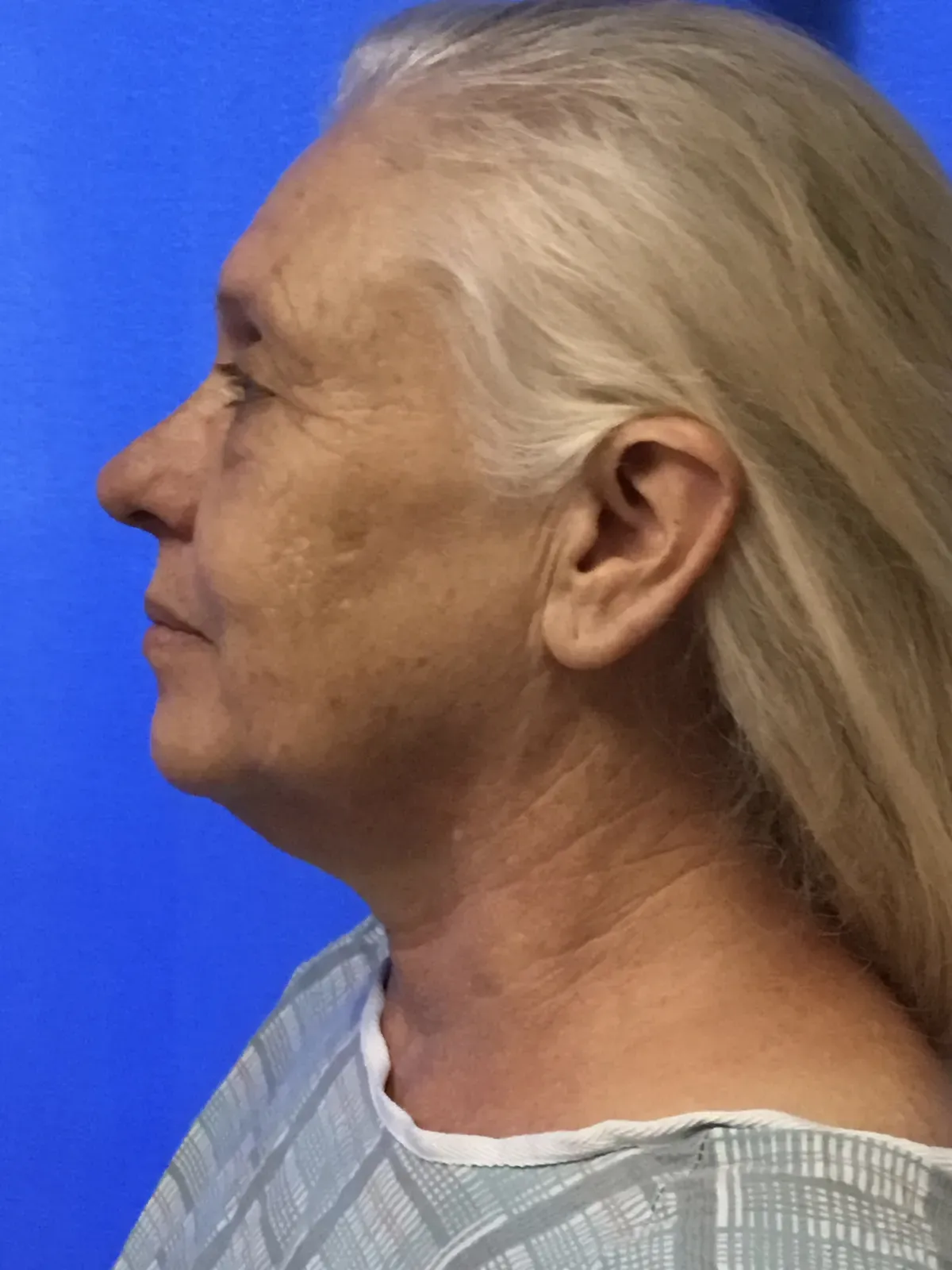
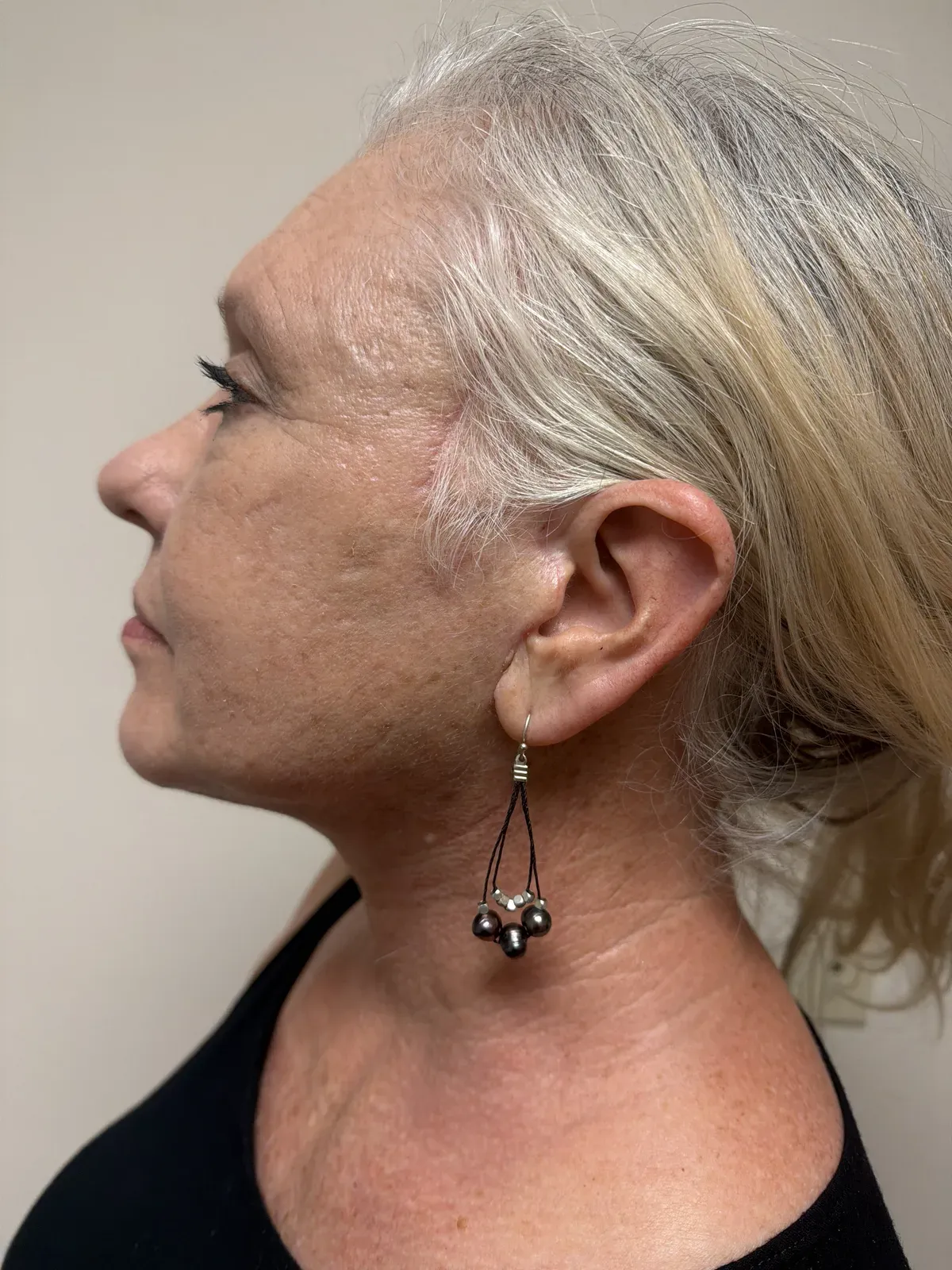
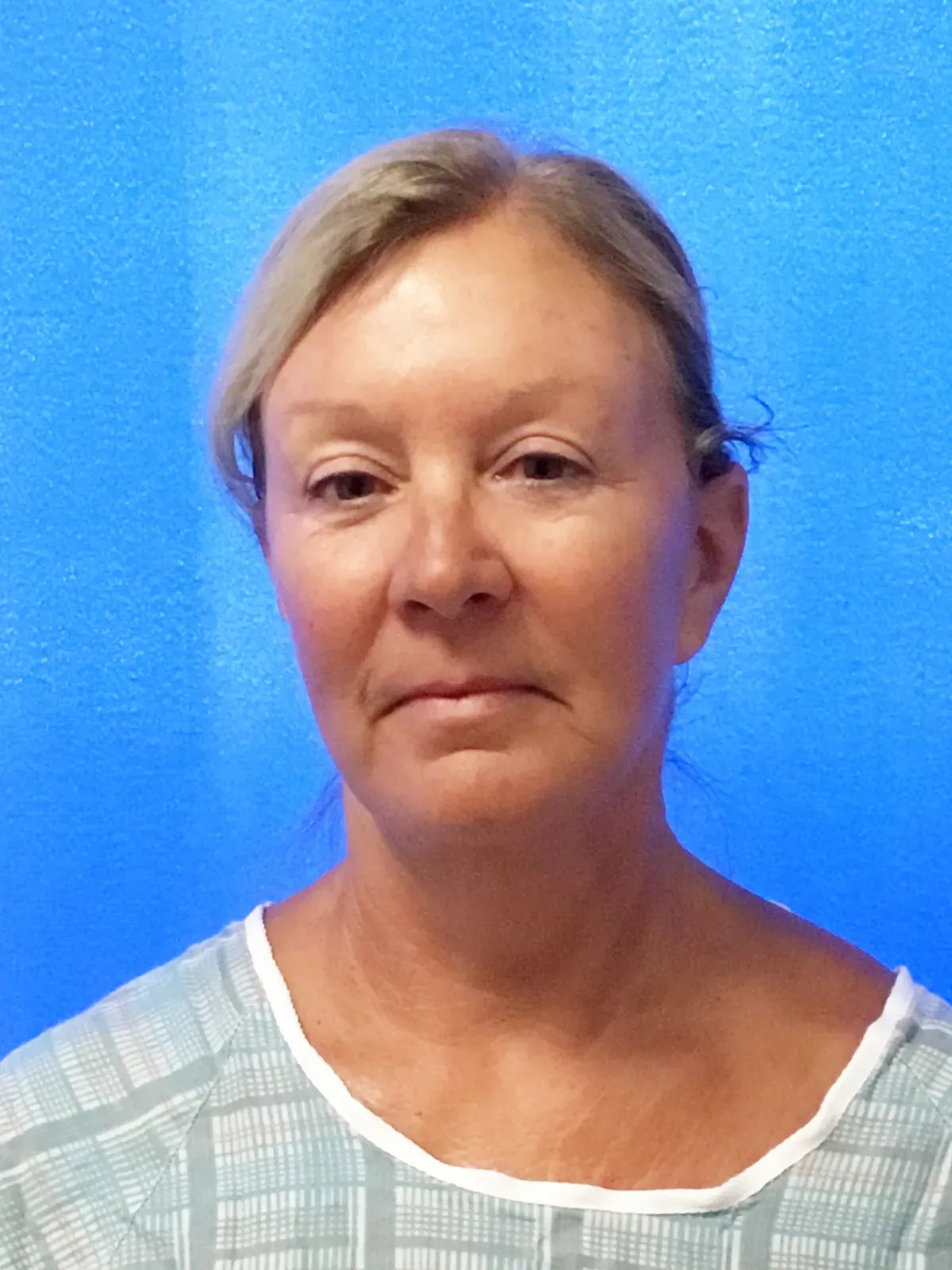
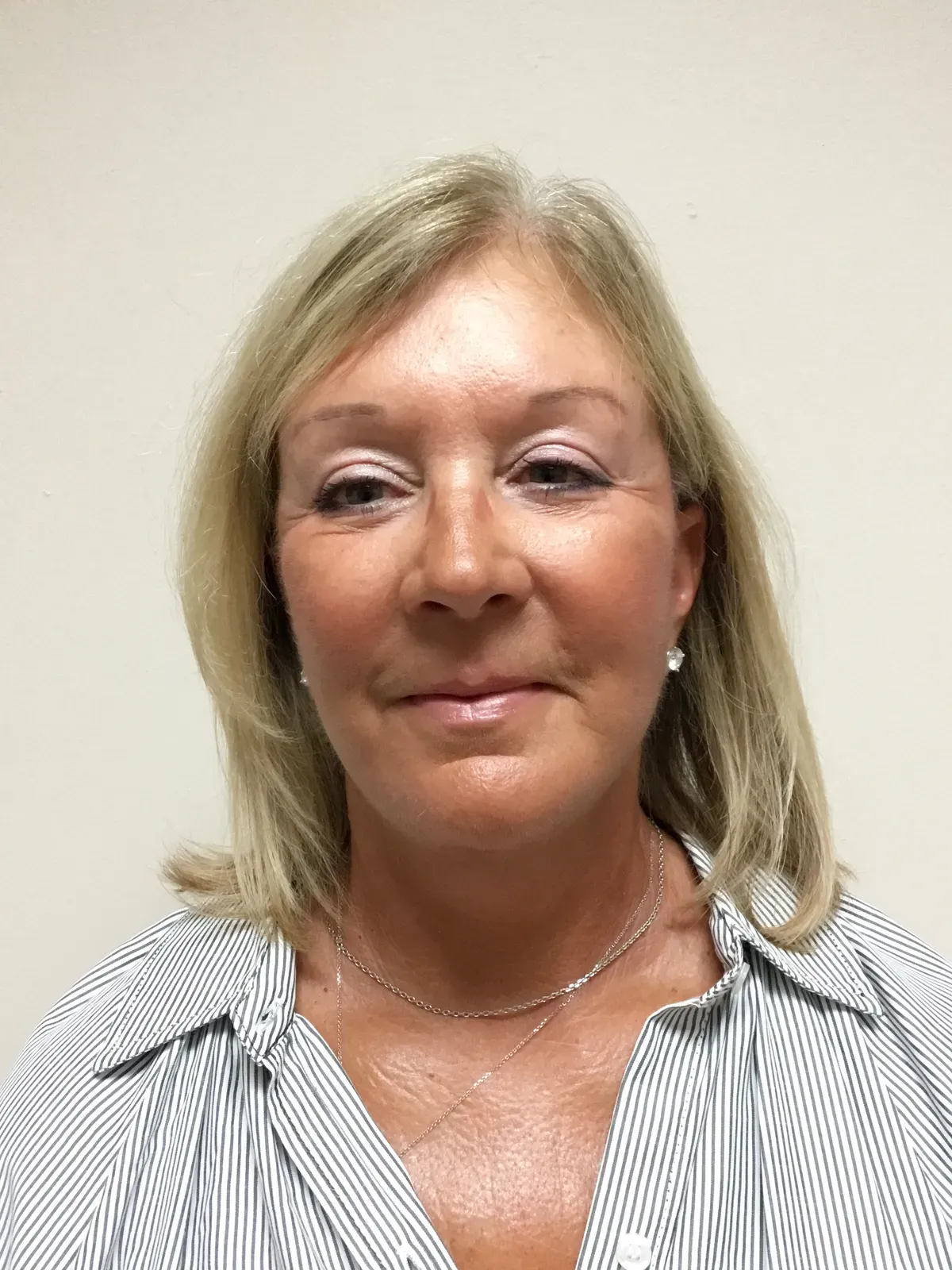
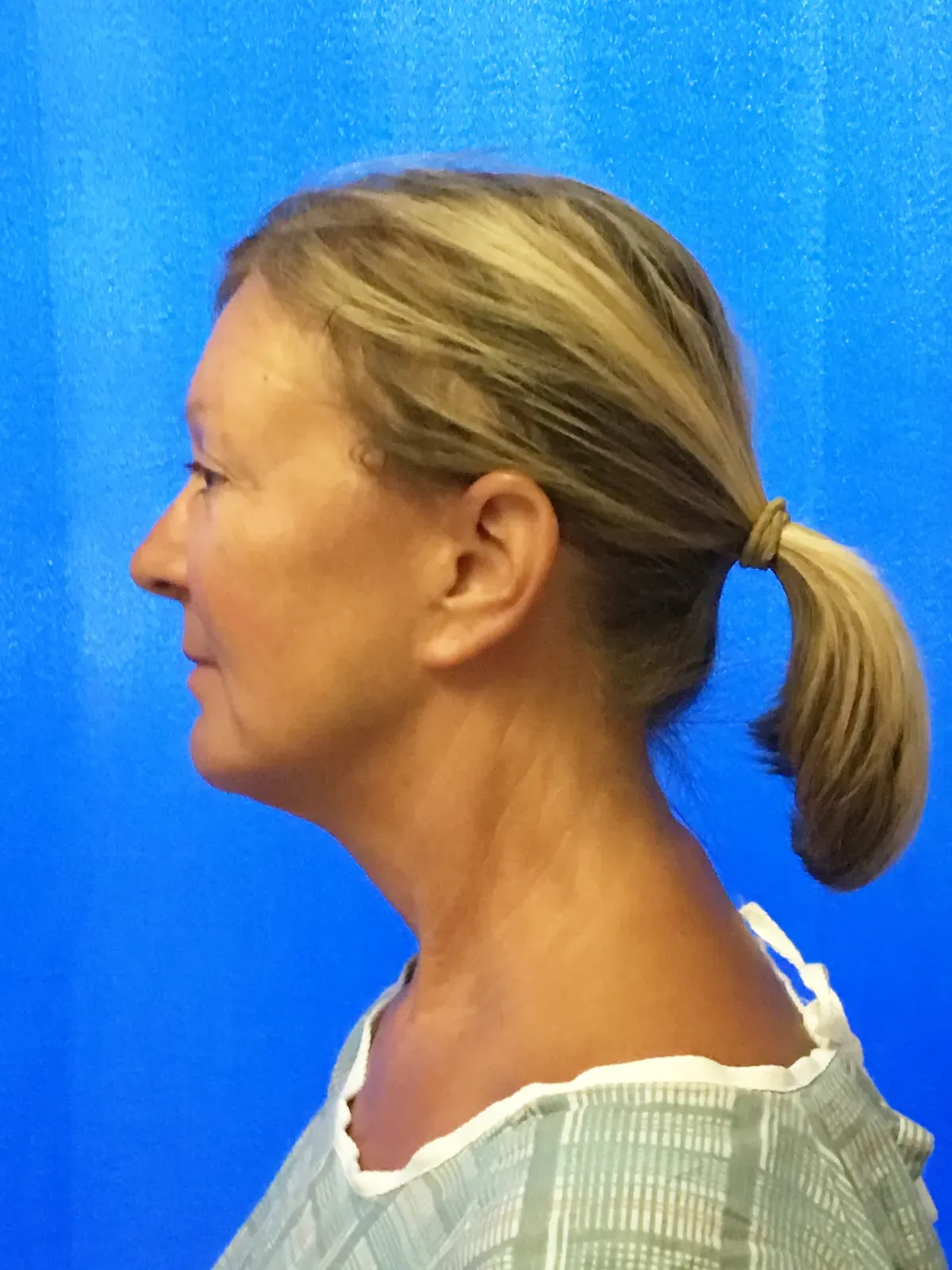
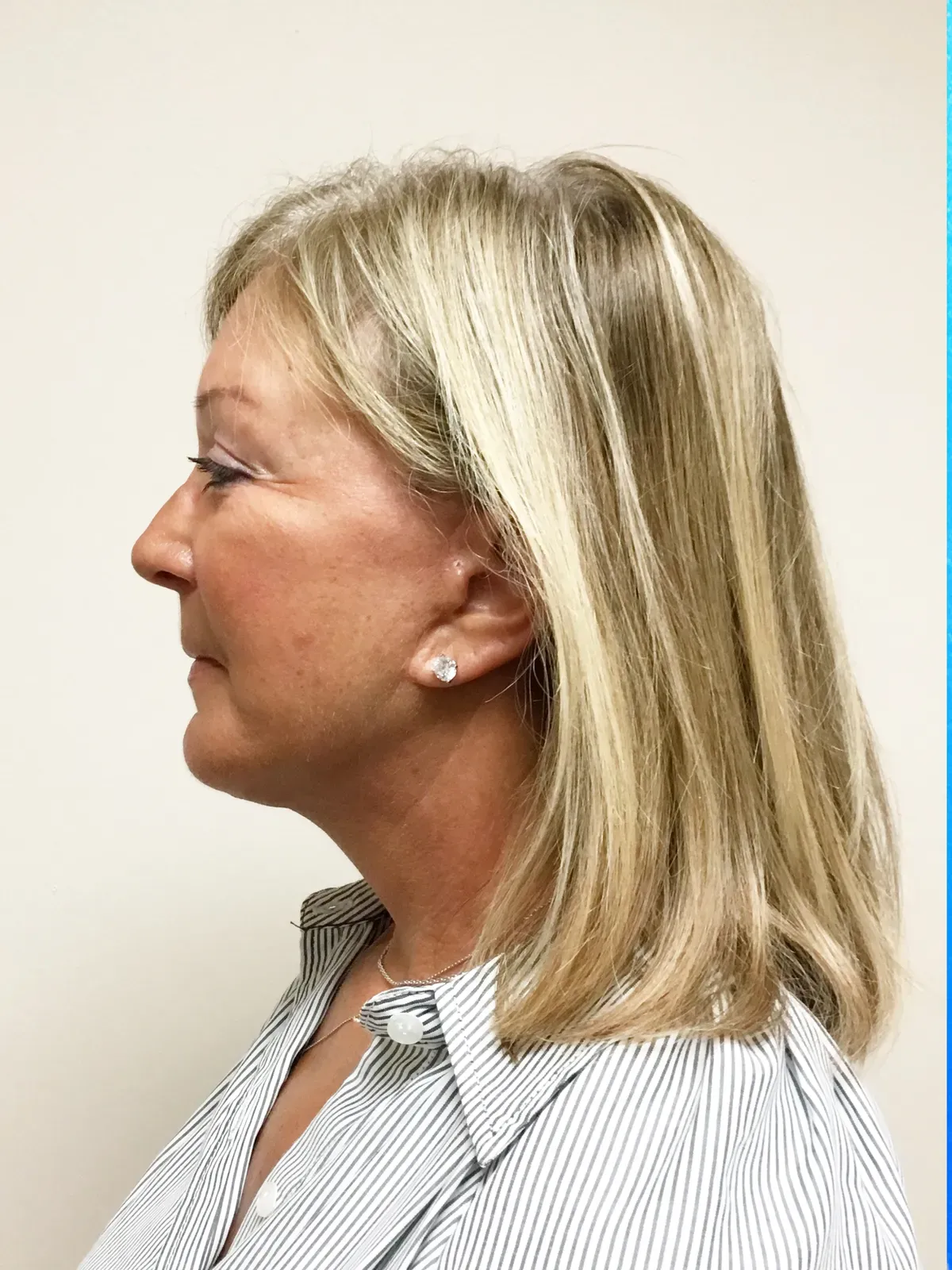
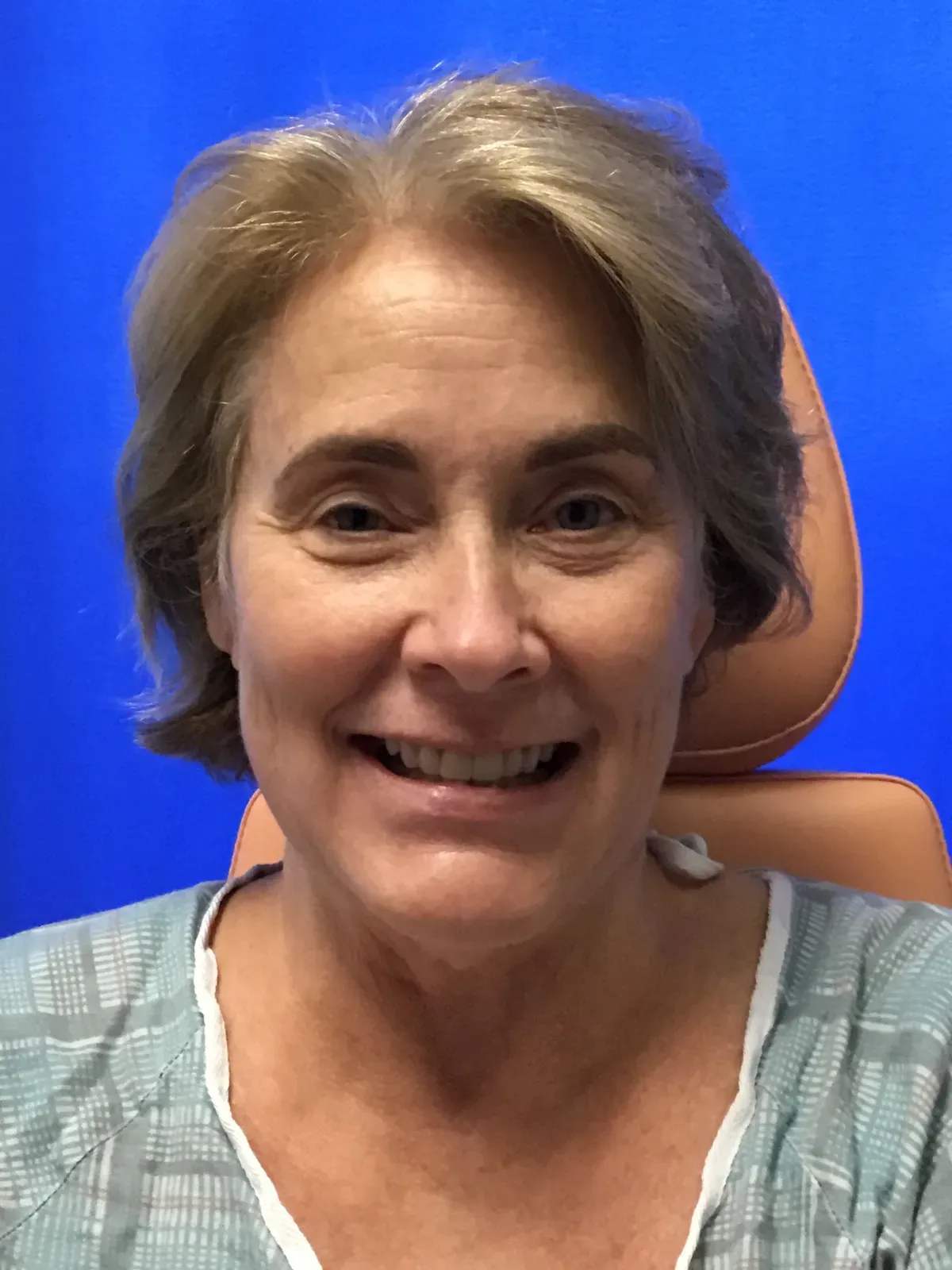
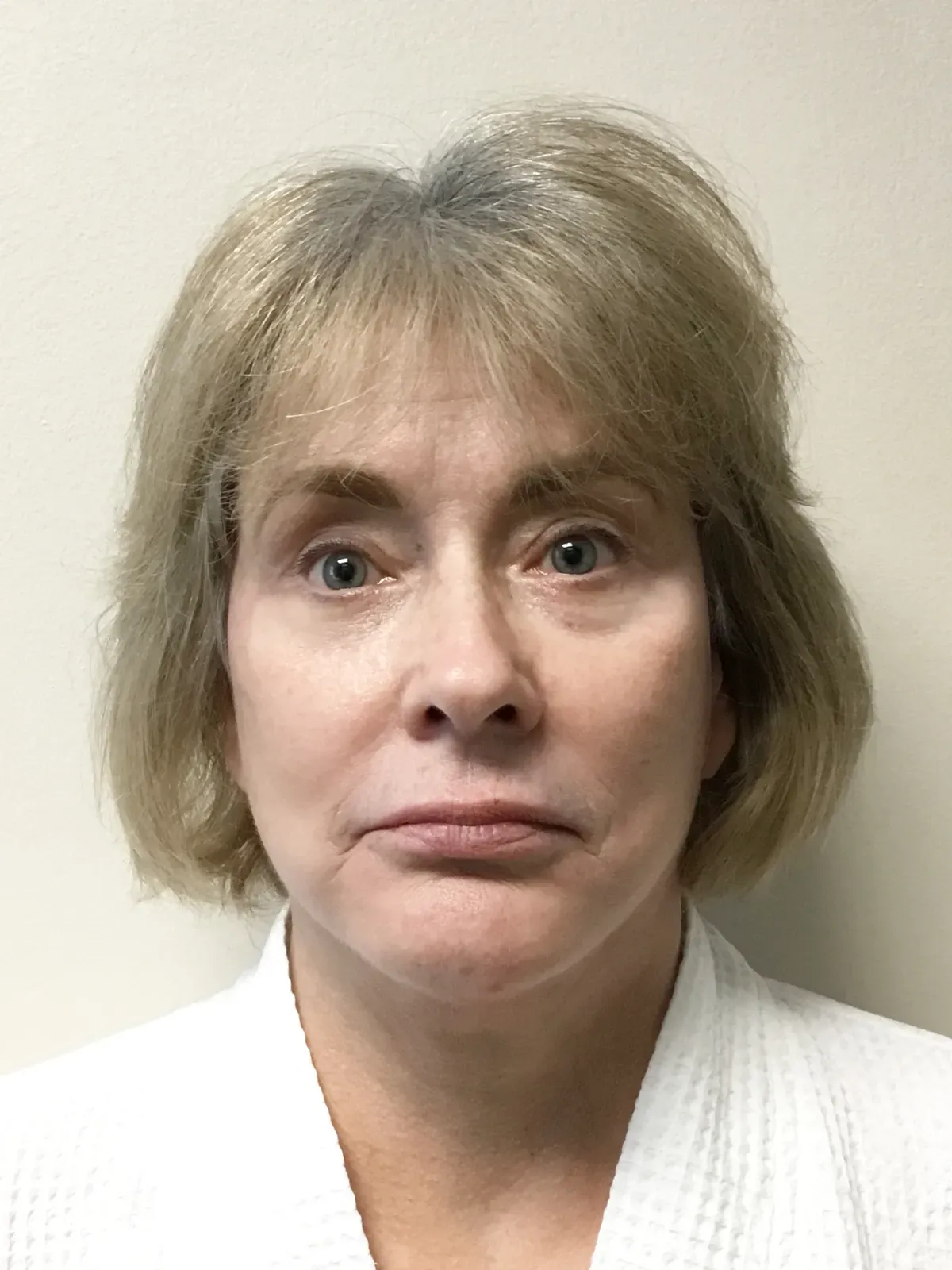
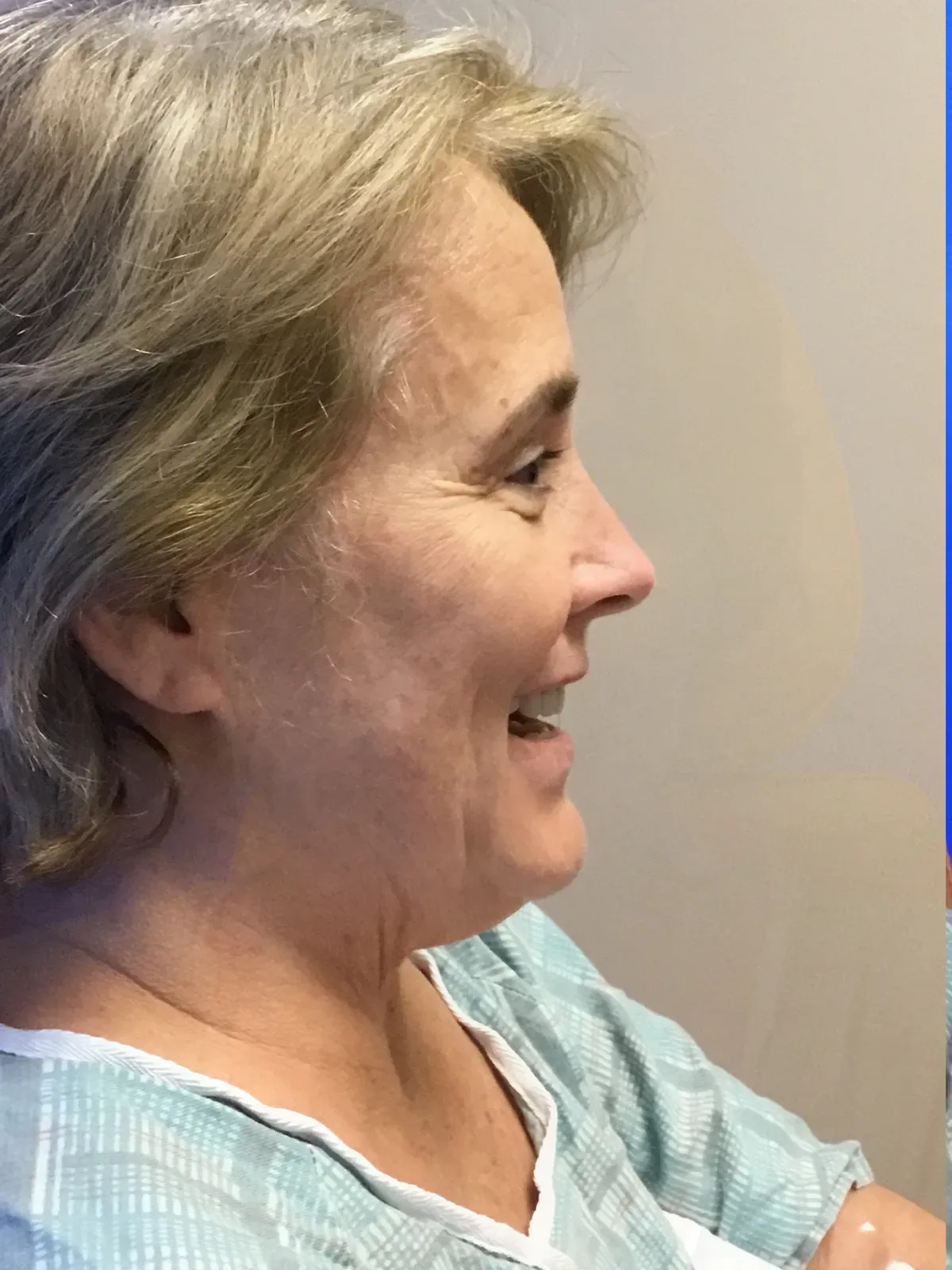
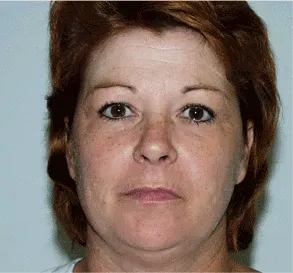
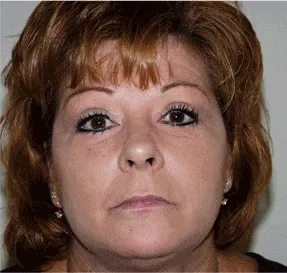
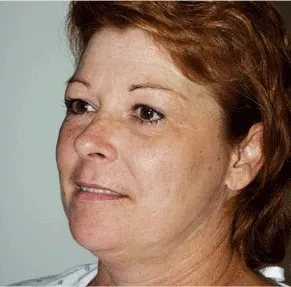
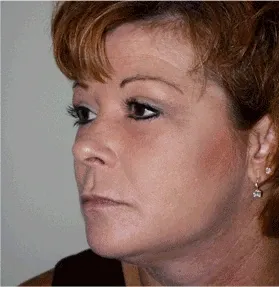
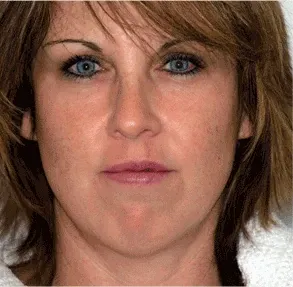
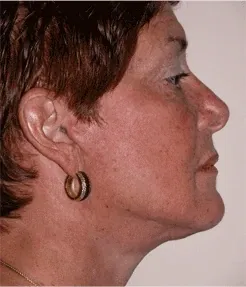
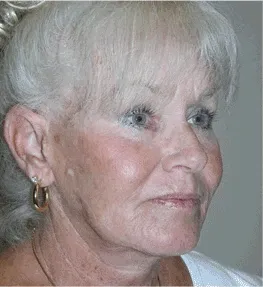
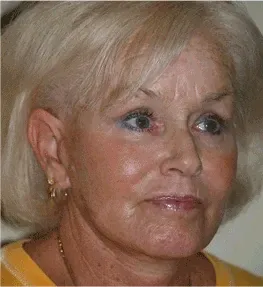
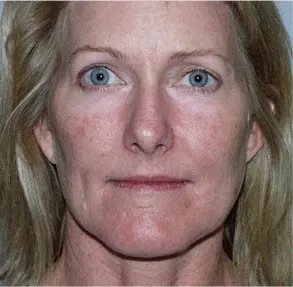
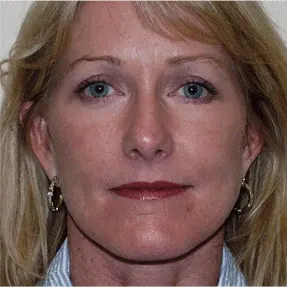
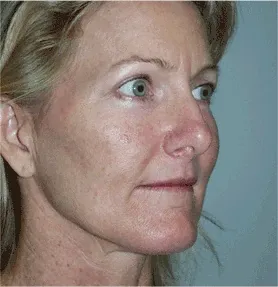
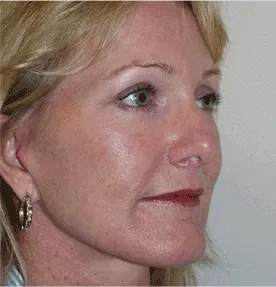
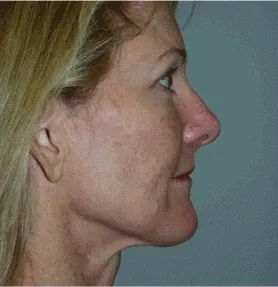
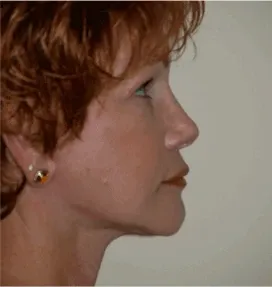
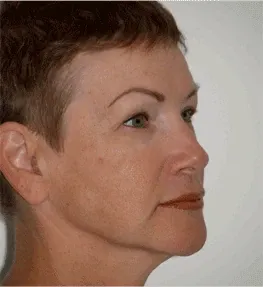
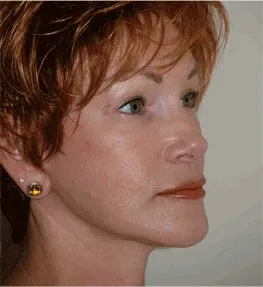
Deep Plane Facelift before & after
01 / 10
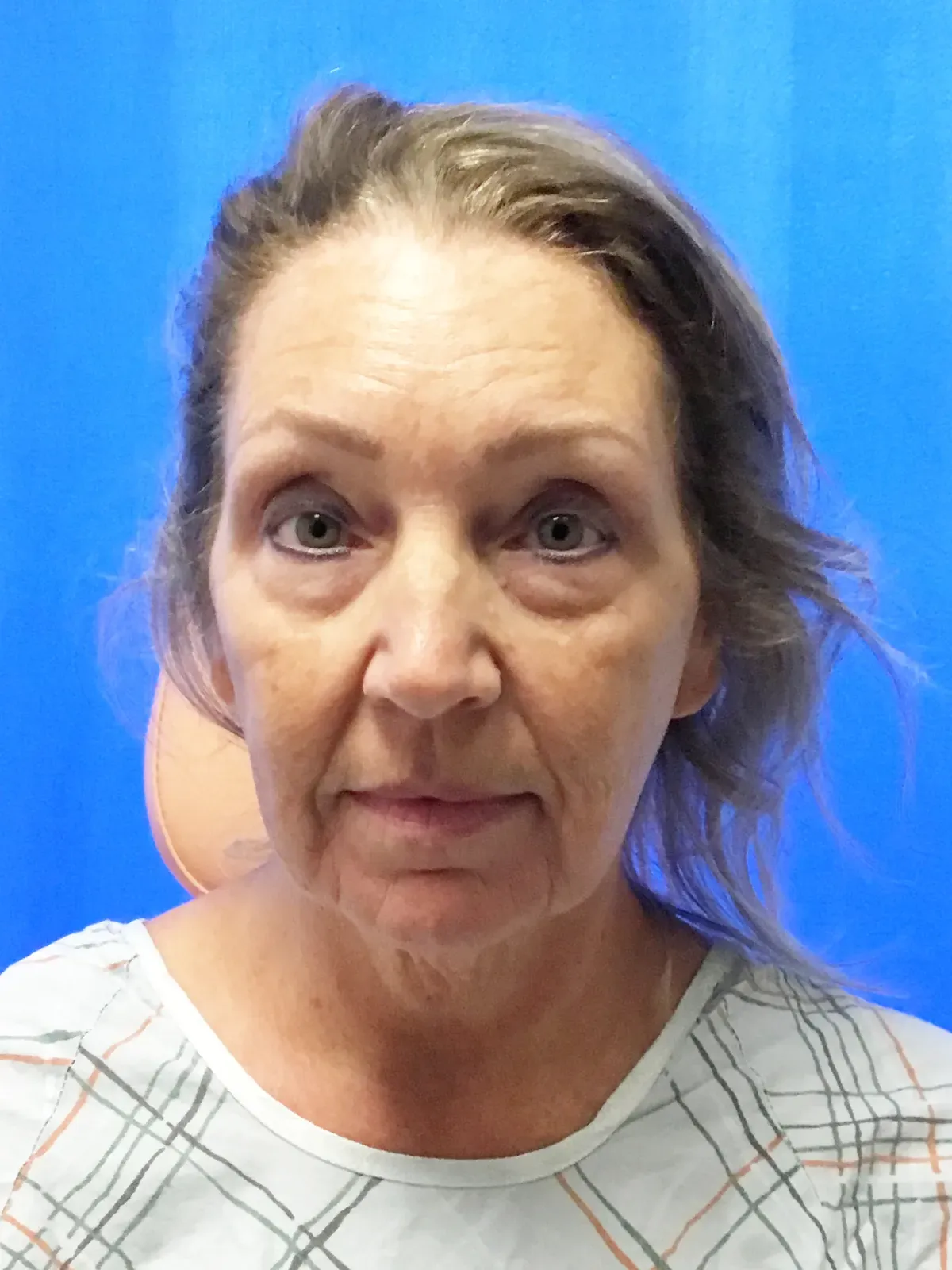 Before
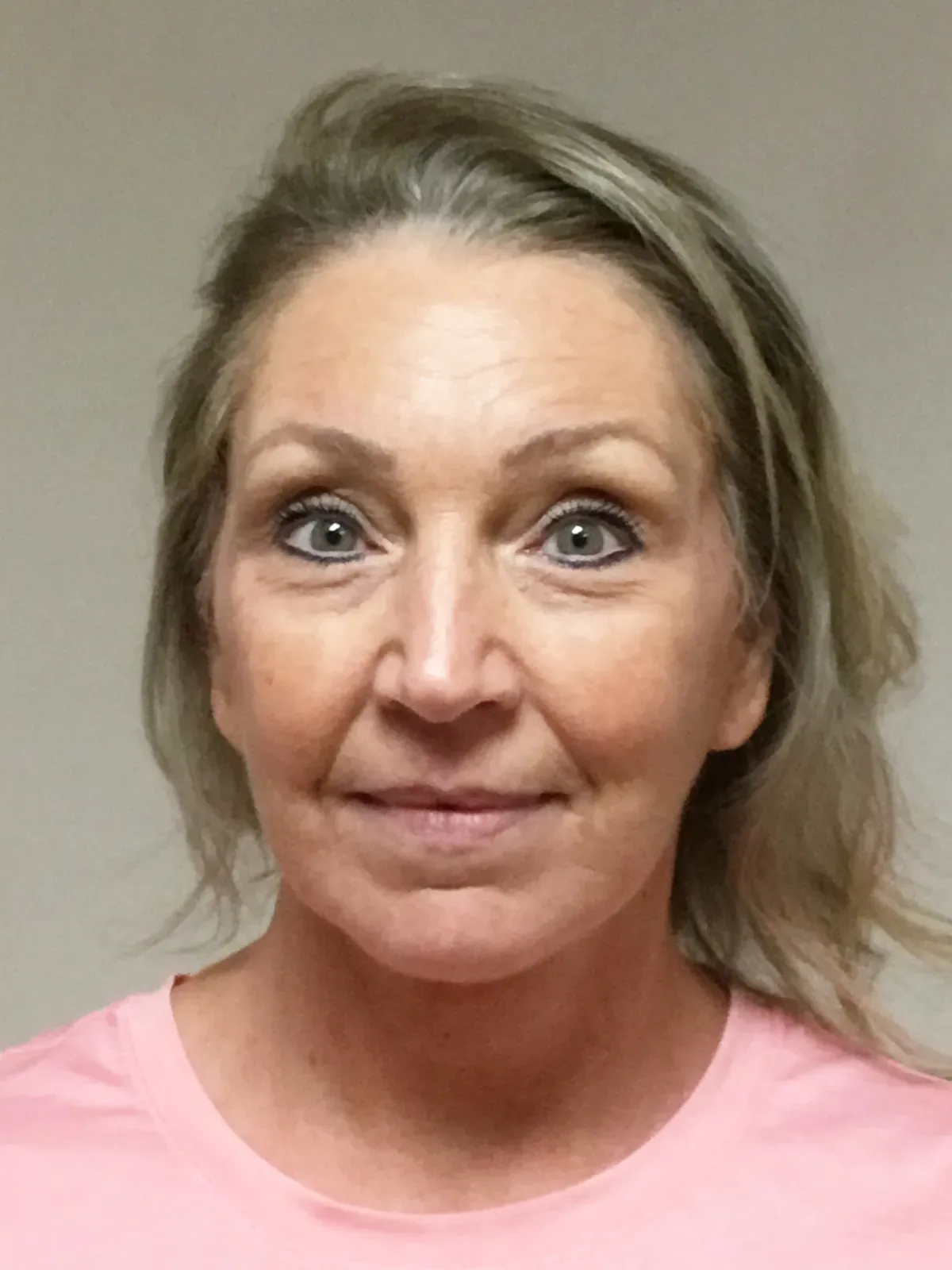 After
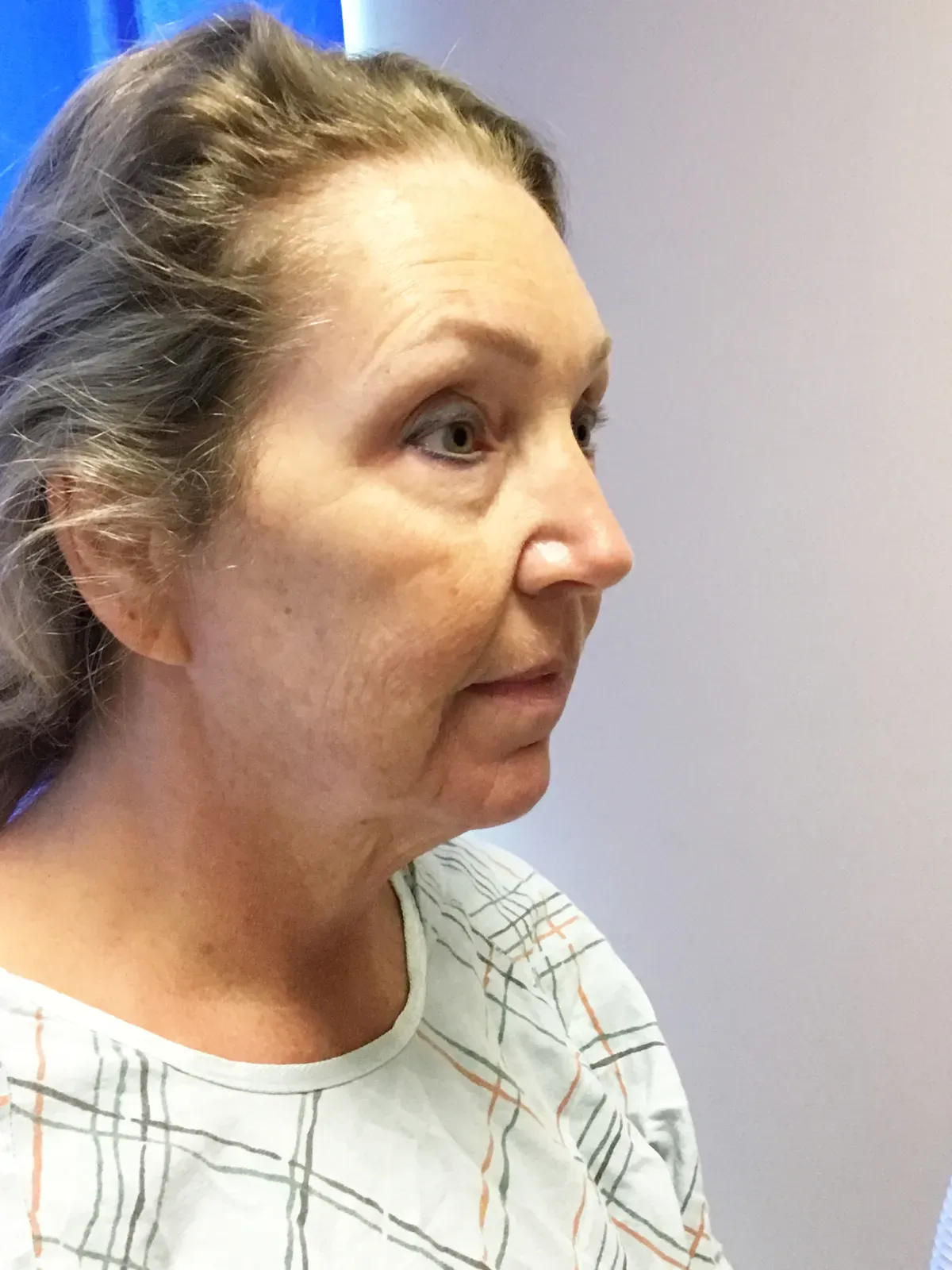 Before
 After
 Before
 After
 Before
 After
 Before
 After
 Before
 After
 Before
 After
 Before
 After
 Before
 After
 Before
 After
01 / 10
 Before
 After
 Before
 After
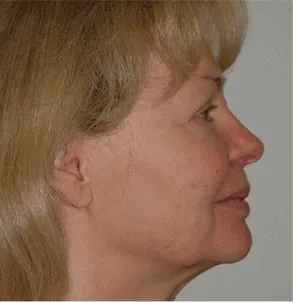 Before
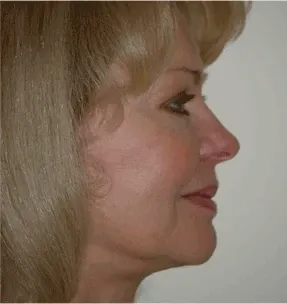 After
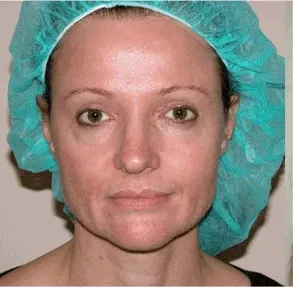 Before
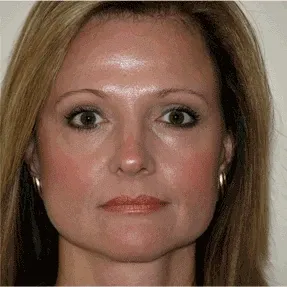 After
 Before
 After
 Before
 After
 Before
 After
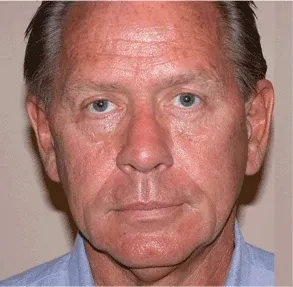 Before
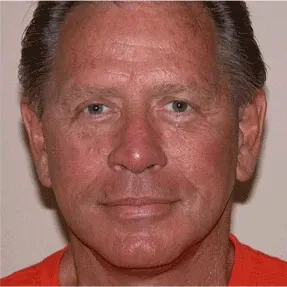 After
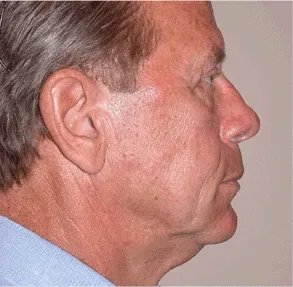 Before
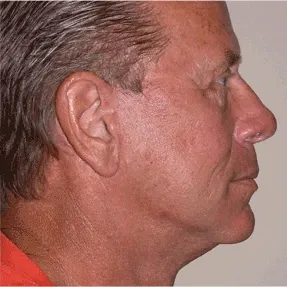 After
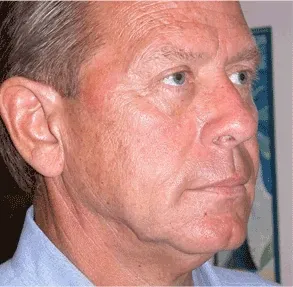 Before
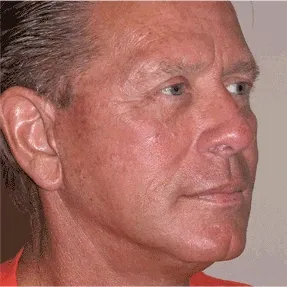 After
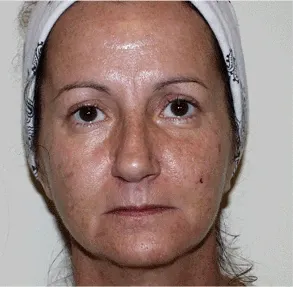 Before
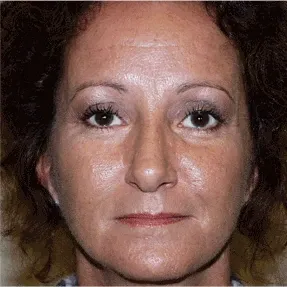 After
 Before
 After
 Before
 After
 Before
 After
 Before
 After
 Before
 After
 Before
 After
 Before
 After
 Before
 After
 Before
 After
 Before
 After
 Before
 After
 Before
 After
 Before
 After
 Before
 After
 Before
 After
 Before
 After
 Before
 After
 Before
 After
 Before
 After
 Before
 After
 Before
 After
 Before
 After
 Before
 After
 Before
 After
 Before
 After
 Before
 After
 Before
 After
 Before
 After
 Before
 After
 Before
 After
 Before
 After
Individual results vary.
The Details Matter
The most obvious signs of a poorly performed facelift are often found around the ears.
These include: visible scars, distortion of the tragus, a pulled or attached earlobe, abnormal skin tension, and loss of normal anatomical contours.
These telltale signs immediately reveal that surgery has been performed.
Avoiding these problems requires meticulous attention to detail.
Dr. Schneider utilizes multiple internal anchoring sutures that redistribute tension away from the skin and support the deeper tissues.
These internal fixation techniques preserve the natural contour of the tragus, maintain a normal earlobe position, and allow facelift incisions to heal with remarkable inconspicuousness.
The scars are designed to disappear into the natural contours of the ear and hairline rather than becoming visible evidence of surgery.
Volume Restored with Deep Plane
- 3.2 ml Volume Increase
Jacono, Malone and Talei, 2015. “Three-Dimensional Analysis of Long-Term Midface Volume Change After Vertical Vector Deep-Plane Rhytidectomy,” Aesthetic Surgery Journal, 35(5):491–503.
I couldn’t be happier with the outcome of my surgery. Healed very quickly. I think the greatest compliment is when someone says to me “you look great” and not “have you had a facelift”!
…I had the procedure at 45. It is seven years later and I am still very pleased with the results and so happy I did it!
01 / 02
Facelift questions patients ask
What is the cost?
Our comprehensive pricing includes our surgeon’s fee, AAAASF facility fee, anesthesia fee, and medical clearance (labs, EKG) for anyone over age 40. Certain patients, because of their medical condition, will need medical clearance from their own medical specialist.
| Procedure | Dr. Schneider | Dr. Sharma |
|---|---|---|
| M.A.R.C. Lift™ face and neck lift | $30,000 | $22,000 |
Many patients choose 12 no-interest installment payments for all or a portion of the cost with Cherry.
What is the recovery like?
There is minimal pain and discomfort following the procedure. For the average person, on a scale of 1 to 10 with 10 being the worst, the pain is a 1.
The day after the procedure you will return to the office where your bandage and a drain will be removed. There is usually minimal to no bruising and mild swelling. A light support is placed under the chin which you will wear for a week. At the end of a week your sutures are removed and you will look very presentable, a little swollen, but presentable. Walking is encouraged right after surgery but exercise is limited until 2 weeks after surgery. Most people are comfortable returning to work within 1-2 weeks.
Where are the incisions located?
The incisions are hidden along the hairline, curvatures of the ear and under the chin.
What do I need to bring to my consultation?
If you have photographs of when you were younger, we would love to see them. They help us evaluate our approach. Also, if you have any medical conditions, allergies or issues with anesthesia, please make us aware.
What medicines do I need to stop before the procedure?
Patients need to avoid all blood thinning drugs and supplements prior to surgery. Blood thinners like Warfarin, Xarelto, Eliquis, Coumadin should be stopped under the guidance of your personal physician. Over-the-counter products like Aspirin, Ibuprofen (Advil/Motrin), Naprosyn (Aleve), Arthritis-pain medications, Nattokinase, Vitamin E, Garlic, Ginger, Ginseng, St. John’s Wort, Ginkgo, Flax seed, Fish oil or any products containing these should be avoided for 2 weeks before surgery.
Clinical content reviewed by Marc S. Schneider, M.D., board certified in Plastic Surgery by the American Board of Plastic Surgery · last reviewed November 2026
Other considerations
-
 CO₂ Laser Resurfacing For facial wrinkles, sun damage, skin texture and crepey skin. See CO₂ Laser Resurfacing
-
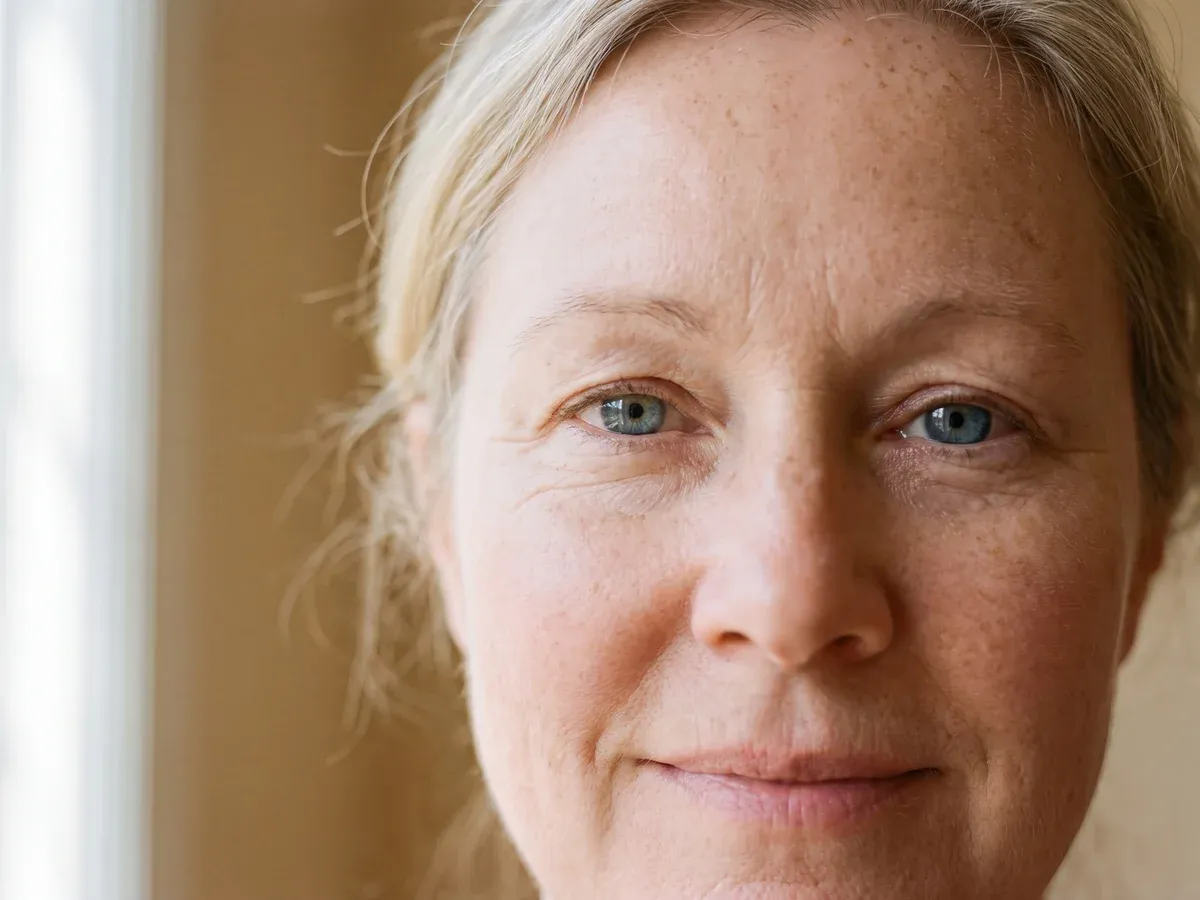 Blepharoplasty Heavy upper lids and under-eye bags fixed, and your eyes still look like yours. See Blepharoplasty
-
 Facial Fat Transfer Your own fat, moved to where the face has lost volume. See Facial Fat Transfer
-
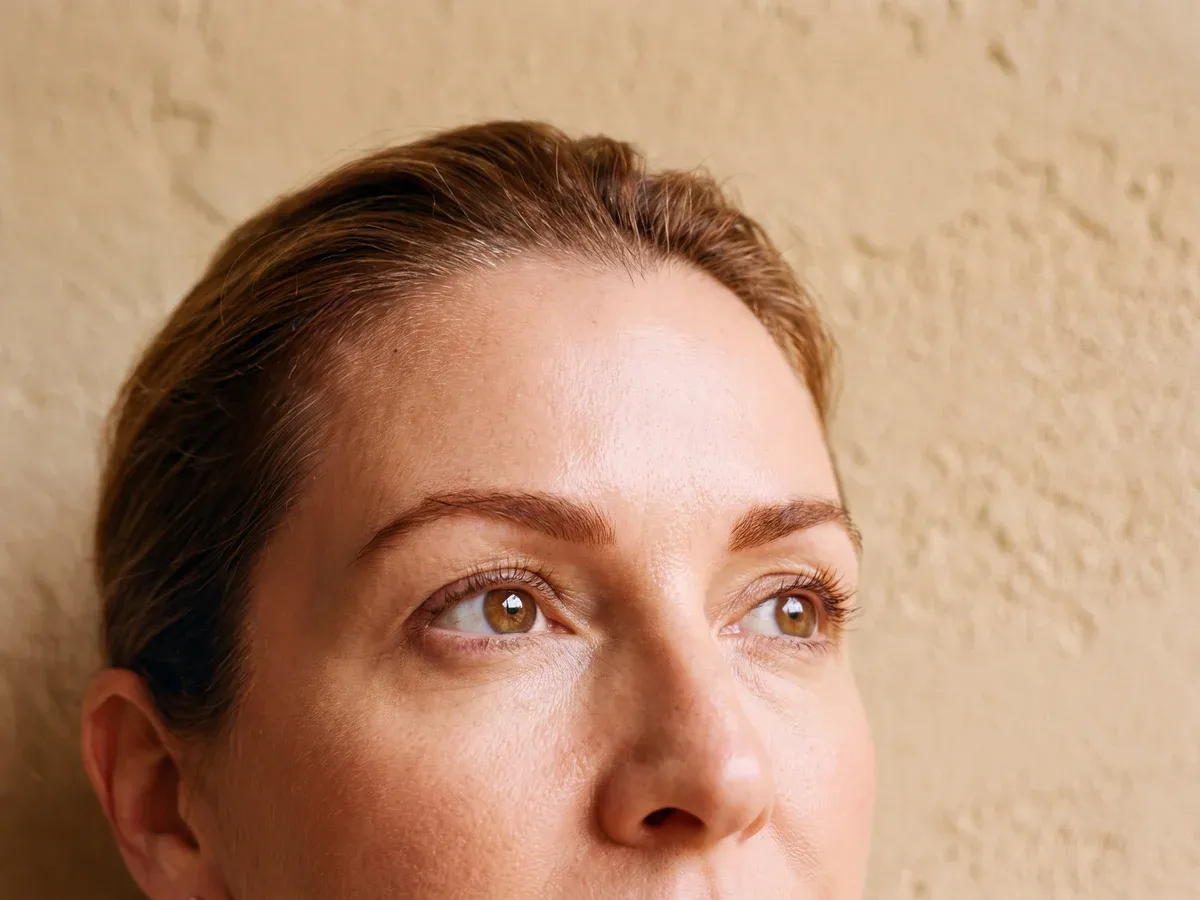 Brow Lift When the brows drop, the upper lids look heavy and tired. A brow lift puts them back where they sat. See Brow Lift
Financing your facelift
Pay over time if you’d like.
Many patients choose 12 no-interest installment payments for all or a portion of the cost with Cherry. Monthly plans are also available through CareCredit and Alphaeon.



Subject to credit approval. Minimum monthly payments required. Ask us for details.
Request a consultation
Tell us what you’d like to change.
Someone from the office calls you back. Rather talk? 239.277.9999